How to Avoid Extreme Weather Travel Disruptions: Route Guide
Global transit infrastructure functions as a highly synchronized mechanism. Operational margins are calculated in minutes, and physical assets are heavily optimized. Within aviation, maritime, and rail networks, an itinerary is not merely a passenger ticket. It represents a discrete unit of capacity allocated through labor, fuel, and routing rights. When an extreme weather event strikes a critical nexus, the consequences are rarely localized. Instead, disruptions ripple across entire global networks due to the interconnected nature of modern hubs.
The Shift Toward Lean Operations
For decades, the standard response to weather delays was reactive. Legacy providers operated with broad buffers, maintaining reserve capacity to handle unexpected storms. However, modern cost-cutting has altered these practices. To maximize efficiency, operators have streamlined systems. They have reduced spare inventories and scheduled tighter crew rotations. They now operate hub-and-spoke networks at near-maximum capacity. Consequently, a delay at a major hub like O’Hare or Heathrow can stall operations thousands of miles away.
Navigating Systemic Risk
For the traveler or logistics planner, this environment makes conventional planning insufficient. Relying on basic notification apps or standard insurance often leaves you stranded during major delays. Navigating this landscape requires treating travel as a dynamic risk management challenge. You must analyze the operational limits of transit networks and identify alternate paths before a storm disrupts the system.
Building Travel Resilience
True resilience is not built on last-minute, reactive booking scrambles. Systematic risk mitigation requires analyzing the mechanics of hub operations and network flow dynamics. By tracking regional weather patterns and identifying transit bottlenecks, travelers can maintain control over their schedules.
This systematic approach ensures that projects and supply chains move forward smoothly. It allows you to maintain progress even during peak weather seasons or major regional climate events.
Understanding “how to avoid extreme weather travel disruptions”
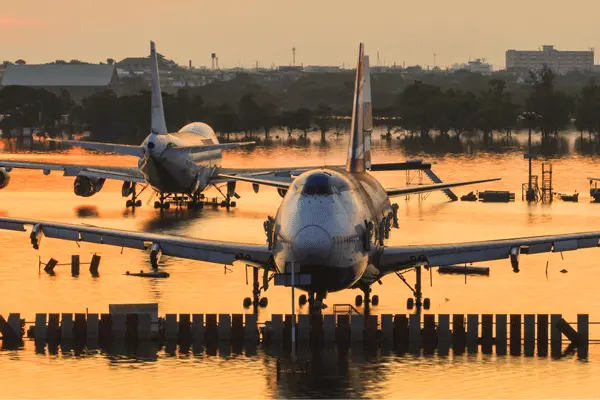
A common mistake in travel planning is assuming that avoiding weather delays simply requires checking a smartphone weather app the night before departure. This reactive approach fails to address the complex mechanics of how transport networks break down. A transportation network functions as an interconnected chain of assets where aircraft, crews, and ground equipment must align perfectly to complete a single trip. When passengers look into how to avoid extreme weather travel disruptions, they must look past superficial local forecasts and focus on the structural mechanics of network yield management and equipment placement.
Effective disruption management utilizes the core principles of predictive routing. A flight or rail line represents a sequence of operational dependencies working under strict safety regulations, such as maximum crew duty days and mandatory maintenance checks. If a weather front forces an airport to cut its landing capacity by half, air traffic control introduces ground delay programs. Under these programs, shorter regional flights are often canceled first to keep long-distance, high-revenue routes moving. This business reality leaves travelers on regional connecting flights highly vulnerable to sudden cancellations.
Understanding these system dynamics allows travelers to identify and avoid hidden vulnerabilities before a major delay occurs. For example, routing a cross-country trip through a high-capacity southern hub rather than a congested northern bottleneck during winter significantly lowers your risk of getting stranded. Across an entire corporate travel calendar, these technical route adjustments protect operations from costly delays and keep key projects moving on schedule.
Furthermore, travelers must learn to separate temporary weather delays from long-term system failures. A brief summer thunderstorm may delay departures by an hour, but it rarely causes a total network collapse if crews and planes remain in position. However, if a blizzard traps a carrier’s main fleet at a single hub, it can trigger a multi-day cascade of cancellations across the entire country. By identifying these high-risk single points of failure, you can choose carriers with distributed networks, ensuring your travel plans remain resilient even during severe weather events.
Historical and Market Evolution of Weather Risk Mitigation
The modern challenge of managing weather-related travel risks was largely shaped by the deregulation of the airline industry in the late 1970s. Deregulation led to the widespread adoption of the hub-and-spoke operational model. This model allowed airlines to maximize their route networks and increase passenger volumes by channeling flights from smaller regional airports through massive central hubs. While highly efficient for corporate profitability, this design introduced single-point-of-failure vulnerabilities, where severe weather at a central hub could quickly disrupt air traffic across an entire continent.
This vulnerability grew as carriers reduced their operational cushions to protect profit margins. Over the past two decades, the industry has seen several major structural changes:
-
The reduction of spare aircraft fleets and crew reserves has turned minor weather delays into multi-day scheduling logjams.
-
The consolidation of regional air carriers has left smaller markets dependent on fewer, more vulnerable connecting routes.
-
The widespread implementation of automated rebooking algorithms can quickly fill remaining seats during a disruption, leaving stranded passengers with fewer options.
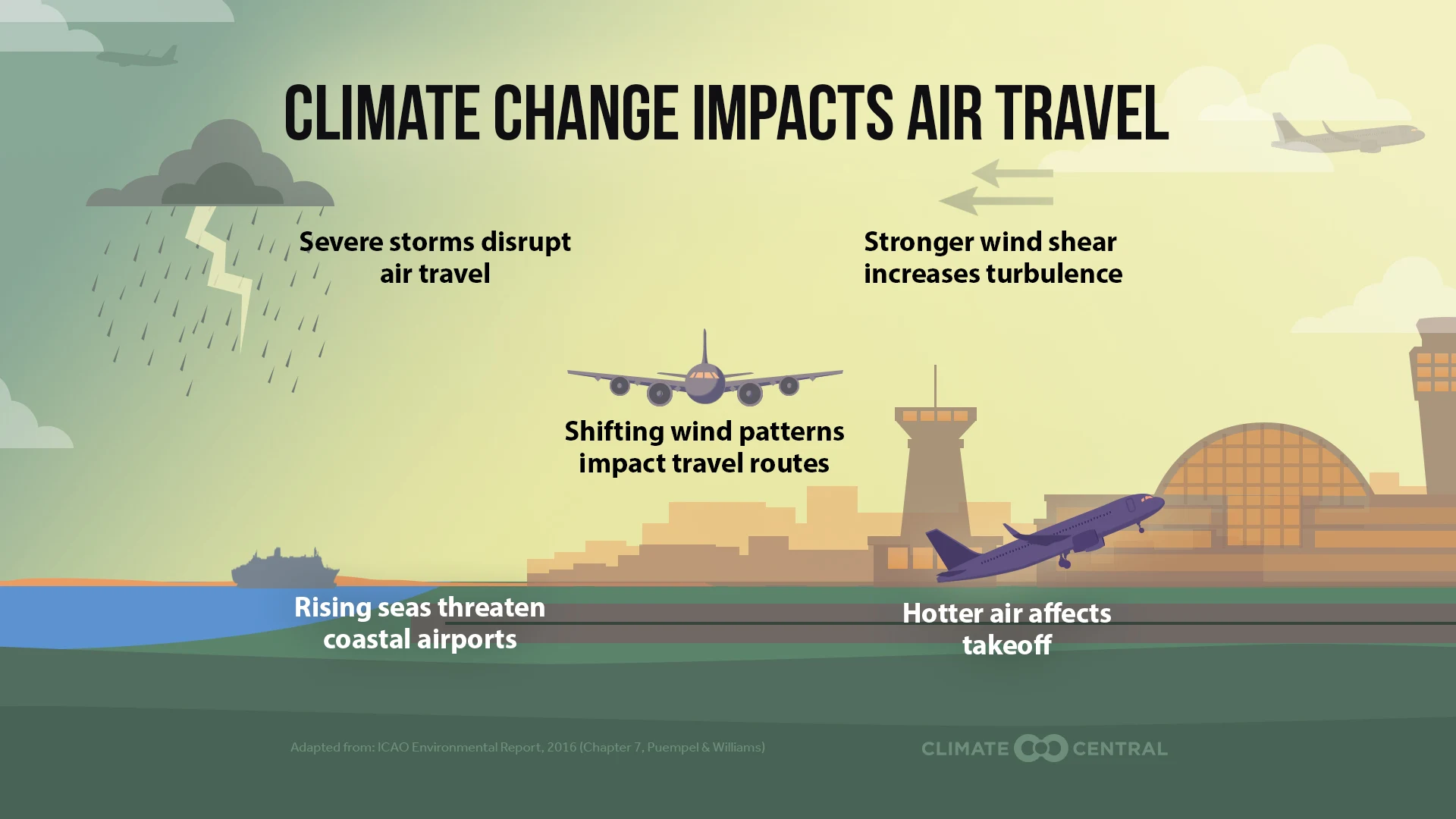
At the same time, shifting regional climate patterns have increased the frequency and intensity of extreme weather events. Traditional winter storm management has expanded to handle severe summer convective storms, historic heat waves that alter aircraft lifting capacities, and coastal flooding that threatens low-lying rail corridors.
These evolving challenges require modern travelers to upgrade their planning strategies. Relying on standard airline notifications is no longer enough; travelers must use real-time radar data, understand airport capacity statistics, and implement proactive booking strategies to stay ahead of weather-related disruptions.
Conceptual Frameworks and Network Flow Models
To systematically address weather disruption challenges without sacrificing travel efficiency, planners can deploy several core operational and routing frameworks.
1. The Hub Congestion Elasticity Model (HCEM)
This model calculates the vulnerability of a specific connection hub by balancing its scheduled flight volume against its maximum capacity during a severe weather event.
-
Application: Use the HCEM equation when comparing potential connection cities during active storm seasons. If a northern hub has a scheduled volume of 60 arrivals per hour but a winter storm cuts its acceptance rate to 25, the congestion coefficient spikes, signaling a high-risk bottleneck that should be avoided.
-
Limitation: This model relies on accurate, real-time airport capacity reports and can be skewed by sudden air traffic control staffing shortages.
2. The Asset Recirculation Velocity Index (ARVI)
This framework treats an itinerary as a sequence of connected equipment movements, measuring how quickly an airline can recover its fleet after a major weather delay.
-
Application: Apply this index when deciding which airline to book during volatile weather periods. A carrier with a highly distributed fleet across multiple national hubs will maintain a higher ARVI, allowing it to recover and resume normal operations much faster than a competitor whose fleet is concentrated at a single snow-bound hub.
-
Limitation: Value calculations require access to carrier fleet metrics and assume stable labor availability across the network.
3. The Multi-Modal Routing Matrix (MMRM)
This framework treats travel routing as a flexible system, identifying alternate transportation modes—such as high-speed rail, rental cars, or secondary regional airports—that can bypass a disrupted transit node.
-
Application: Implement the MMRM by booking flights along corridors that feature strong rail alternatives, such as the Northeast United States or Western Europe. If a severe storm grounds air traffic, you can instantly shift to a high-speed rail line, bypassing the airport congestion entirely.
-
Limitation: Alternate transit modes must have open capacity and remain unaffected by the same regional weather front.
Operational Asset Classes, Hub Vulnerabilities, and Trade-Offs
To cut through destination marketing and implement effective travel plans, organizers must categorize transit hubs by their geographic and infrastructure vulnerabilities. The table below outlines the primary types of connection hubs, their weather risks, and the trade-offs of including them in your travel itinerary.
Transit Hub Weather Vulnerability Matrix
Decision Logic for Weather-Resilient Travel Sourcing
When structuring a complex business itinerary or personal travel schedule, use this systematic checklist to evaluate your routing options and find the best ways to minimize your exposure to severe weather delays:
-
Verify Seasonal Weather Patterns: Check if your travel dates overlap with peak winter blizzards or summer hurricane seasons. If traveling during these periods, prioritize routes that bypass known weather bottlenecks.
-
Prioritize Mainline Aircraft: Whenever possible, choose non-stop flights on large, mainline aircraft rather than smaller regional jets. Mainline flights are rarely canceled first during capacity cuts, and larger planes can handle turbulence and crosswinds more effectively.
-
Analyze Hub Connections: If a connection is required, look at the weather vulnerabilities of your connecting cities. Avoid mixing winter travel with northern hubs or spring travel with convective storm corridors.
-
Schedule Early Morning Departures: Always aim for the earliest departure slot of the day. Morning flights are rarely impacted by delayed incoming planes, and summer thunderstorms typically develop later in the afternoon.
Detailed Real-World Weather Procurement Scenarios
Navigating Winter Storm Delays via Southern Routing
A corporate consulting team needed to travel from Los Angeles to New York during a severe winter blizzard that threatened to shut down airports across the Midwest.
-
The Strategy: The travel planner avoided traditional connecting routes through Chicago or Detroit, opting instead to route the team through Charlotte and Dallas-Fort Worth.
-
The Process: By analyzing national weather trends five days out, the planner identified a cold front moving across the northern plains and proactively updated the team’s tickets to a southern corridor.
-
Failure Modes: The southern hub faced minor traffic delays due to flights diverting from the north, which compressed the team’s connection window to a tight 35 minutes.
-
Second-Order Effects: Because the team traveled with carry-on luggage only and sat near the front of the aircraft, they made the connection easily, arriving in New York on schedule while northern routes faced a 48-hour shutdown.
Managing Summer Hurricane Risks via Multi-Modal Backup Plans
An operations director arranged transit for a technical crew heading to a critical project launch in Miami just as a tropical storm formed in the Caribbean.
-
The Strategy: The director booked the crew on a flight to Atlanta rather than a direct flight to Miami, using the Georgia hub as a flexible staging area.
-
The Process: The director set up a backup plan, reserving a one-way full-size rental vehicle in Atlanta at the same time the flights were confirmed.
-
Failure Modes: As the tropical storm moved inland, Miami International Airport closed its runways, canceling all direct flights into South Florida.
-
Second-Order Effects: The crew landed safely in Atlanta, picked up their pre-reserved rental vehicle, and drove south down the interstate corridor. They arrived at the project site just 12 hours behind schedule, beating the storm’s worst impacts.
Bypassing Midday Thermal Lifting Limits in High-Altitude Deserts
A manufacturing specialist needed to transport high-priority calibrated tools from a mountain facility in Denver to an assembly plant in Phoenix during a summer heat wave.
-
The Strategy: The specialist avoided standard midday flights, knowing that extreme summer temperatures reduce air density, which forces airlines to limit passenger and cargo weights.
-
The Process: The specialist booked a 5:30 AM departure, ensuring the aircraft could take off during the coolest part of the day when air density is highest.
-
Failure Modes: A morning equipment malfunction threatened to push their departure back into the midday heat window, which would have triggered cargo weight restrictions.
-
Second-Order Effects: Because they chose a premier airline with extensive backup fleets at the hub, the carrier swapped out the aircraft within 40 minutes, allowing the specialist to depart safely before heat restrictions took effect.
Mitigating Convective Storm Lockdowns via Regional Rail Alternatives
A financial audit team required reliable transportation between Washington, D.C., and Boston during a week of severe spring thunderstorms.
-
The Strategy: The team bypassed regional commuter flights completely, opting instead to book tickets on a high-speed electric rail line running along the Northeast Corridor.
-
The Process: The coordinator identified that while afternoon thunderstorms frequently trigger lightning warnings that halt airport ground crews, electric rail networks can run continuously through heavy rain.
-
Failure Modes: The train experienced minor speed restrictions due to standing water on a small section of track, delaying its arrival by 25 minutes.
-
Second-Order Effects: The team maintained full cell service and Wi-Fi connectivity throughout the trip, working comfortably from their seats while regional flights faced multi-hour delays on the airport tarmac.
Planning, Cost, and Resource Dynamics
Financial Impact Profiles of Disruption Mitigation Strategies
The Real Cost of Network Bottlenecks
Travel surcharges and hidden delay expenses are carefully designed to look like minor inconveniences while protecting transport company margins. Understanding these system dynamics helps you identify exactly where unexpected costs build up during weather events.
Airlines regularly use low base fares to draw in shoppers on travel search engines. Once a severe weather event disrupts operations, the true costs of unbundled travel risks appear: high last-minute rebooking fees, surging hotel rates near stranded airports, and expensive terminal dining costs.
Understanding these dynamics allows travelers to build realistic budgets that include backup funds for unexpected weather expenses.
Tools, Strategies, and Support Systems
To maintain reliable travel schedules across volatile weather seasons, planners can use a variety of specialized tracking tools and management systems.
1. Advanced Predictive Radar Applications
Modern weather tracking tools allow travelers to monitor high-resolution radar feeds and terminal weather forecasts directly. Tracking storm cell movements in real time helps you spot potential delays hours before an airline issues an official cancellation notice.
2. Priority Customer Support Channels
During a major weather disruption, standard customer phone lines can face multi-hour hold times. Subscribing to airline lounge programs or using international customer service lines often connects you to agents faster, giving you an edge when rebooking remaining seats.
3. Dedicated Flight Tracking Software
Using specialized flight-tracking applications lets you track the real-time location of your incoming aircraft. If your plane is trapped by a storm three cities away, you can spot the delay early and start looking for alternate flights before the rest of the passengers head to the gate counter.
4. Strategic Geographic Buffer Windows
When traveling for critical events like product launches or legal depositions, always build a 24-hour buffer window into your schedule. Arriving a day early provides a safety cushion that easily absorbs unexpected weather delays.
5. Multi-Carrier Fleet Balancing
Avoid booking all segments of a complex trip with a single airline if that carrier concentrates its fleet at a single snowy hub. Balancing your routes across carriers with independent hub networks ensures that a storm at one airport won’t derail your entire itinerary.
6. Airline Credit Card Baggage Perks
Using co-branded airline credit cards often waives standard checked bag fees. However, during weather seasons, traveling with carry-on luggage only is the smarter play, as it allows you to switch to alternate flights instantly without waiting for ground crews to shift your bags.
Risk Landscape and Compounding Logistical Failures
The table below outlines the primary operational risks built into weather-exposed itineraries, along with early warning signs and actionable prevention plans.
Travel Disruption Risk and Vulnerability Matrix
Long-Term Itinerary Governance and Adaptability Checklists
To keep travel schedules accurate and on budget, organizations should follow a structured evaluation workflow. Airport configurations shift, carrier networks adjust, and weather patterns change regularly, requiring constant updates to your corporate travel rules.
Pre-Travel Review Schedule
Planners should complete three core verification steps before heading to the airport:
-
Five Days Before Departure: Monitor national weather maps for developing storm fronts, and check if your connection hubs face potential capacity cuts.
-
24 Hours Before Departure: Verify the location of your incoming aircraft, and confirm that carry-on packing choices match current airline restrictions.
-
At the Gate: Track live radar feeds on your phone, and keep priority customer service numbers ready to react quickly if air traffic control issues a sudden ground halt.
Comprehensive Weather Disruption Verification Checklist
Route Hardening and Hub Auditing
-
Verify that all scheduled connection hubs are running at normal capacity with zero active ground delay programs.
-
Cross-reference your flight numbers against live historical data to spot routes prone to frequent weather delays.
-
Check if your connecting airports feature on-site transit hotels or are connected to regional rail lines.
-
Confirm that your connection windows are at least 90 minutes long during winter or spring storm seasons.
-
Avoid booking the last flight of the day along corridors known for volatile afternoon thunderstorms.
Logistics and Gear Controls
-
Pack all essential documents, medications, and electronic chargers inside a standard carry-on bag.
-
Weigh carry-on luggage at home to ensure it complies with regional airline weight limits.
-
Download your airline’s mobile app and enable push notifications for real-time gate and plane updates.
-
Check local road condition reports and airport parking availability before leaving for the terminal.
-
Keep digital copies of alternative train schedules and rental car confirmations saved on your phone.
Financial Monitoring and Support Systems
-
Save priority customer service numbers and international support lines directly into your phone contacts.
-
Review your credit card’s travel insurance terms to confirm it covers weather-related hotel stays.
-
Keep a digital log of all receipts and expenses if a storm forces an unexpected overnight delay.
-
Confirm your airline loyalty tier benefits to ensure priority access to rebooking agents during disruptions.
-
Review your corporate travel budget twice a year to ensure it contains adequate reserves for seasonal weather expenses.
Performance Measurement, Tracking, and Evaluative Signals
Building a reliable travel routine requires tracking key metrics across every trip. Relying only on advertised arrival times can hide growing risks, like a specific connecting route that experiences minor, recurring delays before a major weather event causes a total cancellation.
Performance Evaluation Indicators
-
Mainline Routing Ratio (Leading): Tracks the share of your flights booked on large mainline aircraft versus smaller regional carriers, minimizing your exposure to early capacity cuts.
-
Geographic Hub Variance (Leading): Measures how effectively you distribute your connection cities across different climate zones, ensuring a single regional storm won’t derail your entire travel calendar.
-
True Trip Velocity (Lagging): Calculated by dividing total distance traveled by total hours spent in transit, including delay times. This provides an accurate picture of your routing efficiency.
-
Disruption Budget Variance (Lagging): Monitors unexpected expenses from weather delays—such as last-minute hotel stays and meals—against your initial quarterly travel budget.
Standard Weather Tracking Documentation Profiles
To keep travel teams organized and itineraries on budget, managers should use standardized tracking forms. Below are three examples of standard digital documents that help verify trip details, manage emergency expenses, and organize alternative routing workflows.
- Route Optimization and Weather Audit Profile
- Multi-City Emergency Disruption Ledger
- Post-Delay Route Disruption Report
Structural Misconceptions and Industry Myths
When exploring how to avoid extreme weather travel disruptions, travelers often encounter advice that sounds practical but fails to match modern transport economics.
-
The Myth that Gate Agents Control Seat Allocations During Storms: Many passengers believe that arguing with gate agents will secure them priority seats on the next available flight. Modern airlines use automated corporate rebooking engines that reallocate seats instantly based on loyalty status and ticket value, leaving gate staff with minimal control over final seating charts.
-
The Misconception that Airlines Provide Free Hotels for Weather Delays: A frequent error is assuming that transportation companies must provide free hotel vouchers whenever a storm cancels a flight. Because extreme weather is classified as an “act of God” rather than an operational error, carriers are legally exempt from paying for your lodging or meals.
-
The Mistake of Trusting Automated Rebooking Flight Suggestions: Relying blindly on the first replacement flight suggested by an airline app is a common oversight. These automated systems often lock you into long, multi-stop connecting routes that are highly vulnerable to secondary delays, making it smarter to research alternative paths manually.
-
The Belief that Travel Insurance Prevents Out-of-Pocket Storm Expenses: Some travelers assume that having a travel insurance policy means they won’t pay anything out of pocket during a delay. In reality, insurance companies operate on a reimbursement model, requiring you to pay for your own hotels and meals upfront and submit itemized receipts for review weeks later.
Ethical, Practical, or Contextual Considerations
When implementing aggressive travel rebooking strategies during severe weather crises, planners must balance financial efficiency with respect for frontline transport workers. Flight crews, gate agents, and baggage handlers have no control over regional weather patterns, air traffic control ground stops, or corporate fleet reductions. Demanding immediate adjustments or shouting at terminal staff over weather delays creates intense workplace stress and rarely speeds up your travel timeline.
To secure real assistance during a major disruption, travelers should maintain a calm, professional demeanor. Approach customer desk discussions with clear alternatives, such as pre-vetted flight numbers or train options, and treat frontline workers with courtesy.
Staying polite and cooperative makes customer agents much more willing to explore creative rebooking options, helping you resolve your travel issues quickly while supporting a safe, respectful terminal environment for everyone.
Conclusion
Successfully avoiding extreme weather travel disruptions requires a comprehensive strategy that connects real-time radar tracking directly with smart hub selection, carry-on baggage choices, and multi-modal backup plans. Relying on basic mobile app alerts or last-minute scrambles often leads to terminal stranding, lost luggage, and high out-of-pocket travel expenses.
Long-term travel reliability comes down to rigorous upfront route analysis and clear contract preparation. By avoiding congested northern hubs during winter storm windows, prioritizing large mainline aircraft over vulnerable regional links, and maintaining active backup reservations along strong rail lines, you can protect both your schedule and your travel budget. These practical, data-driven habits ensure you maintain complete control over your itinerary, delivering smooth, reliable transit performance across every seasonal destination.