Best Golf Resorts for Beginners: Architectural Guide
The global golf travel sector historically caters to low-to-mid handicap players. Architectural prestige is traditionally measured by complexity, such as forced carries over wetlands or narrow, forest-flanked corridors. Micro-contoured greens often penalize all but the most precise approach shots. For novice golfers, traveling to these destinations often results in frustration, high ball loss, and slow play. This creates a distinct sense of alienation from the sport.
Identifying the best golf resorts for beginners requires looking past claims of “resort-friendly playability.” True beginner-friendly environments possess specific architectural, structural, and cultural features. These elements reduce psychological pressure while actively developing fundamental skills. A supportive resort balances open course design with robust practice infrastructure. This ensures that learning the game is both manageable and engaging.
This analysis moves away from superficial travel roundups to examine an authentic developmental golf ecosystem. We will explore the structural, economic, and logistical factors that make a resort an excellent incubator for new golfers. By examining architectural history, behavioral psychology, and operational frameworks, this article serves as a definitive resource. It helps you choose destinations that support long-term player development and high-retention learning.
Understanding “best golf resorts for beginners”

To accurately assess the best golf resorts for beginners, one must look beyond industry promotional language. Properties often label themselves “suitable for all skill levels” simply because they offer forward tees. This oversimplification conflates passive tolerance with active developmental support. It obscures the precise operational and architectural features required by a novice.
A true beginner-friendly resort ecosystem is built on three essential pillars:
1. Physical Architecture
The course design must accommodate typical novice errors. This means providing wide fairways and minimal forced carries over water or ravines. Light, rough,h and accessible green surrounds are also vital. These features allow for ground-game recoveries, such as bump-and-run shots, rather than requiring high, lofted wedge play.
2. Instructional Infrastructure
The property should offer more than just standard individual lessons. It needs dedicated learning loops and short courses. Comprehensive practice facilities and advanced technology bays provide actionable feedback. These tools allow players to learn without the pressure of a formal 18-hole round.
3. Operational Culture
The resort’s daily operations must support new players. This includes managing tee-time intervals to minimize pace-of-play pressure. Staff should be trained to understand the specific needs of beginners. Additionally, resorts should offer flexible play options, such as 3-hole, 6-hole, or 9-hole loops.
The Integration Gap
When a resort lacks these integrated elements, the novice experience quickly degrades. A property might feature a high-rated academy, but pair it with a championship course featuring extreme hazards. In this scenario, the skills learned on the range are lost on the course. This leads to frustration, often driving the beginner away before they reach the turn. Conversely, a forgiving course without dedicated practice areas or professional staff fails to provide the structured guidance necessary to build real confidence.
Deep Contextual Background
The lack of high-quality options for beginners at many premium resorts is rooted in the “penal” and “heroic” design eras of mid-to-late 20th-century American golf architecture. During this period, developers often equated difficulty with prestige. Resorts competed to build the most challenging courses, commissioning designs with extreme hazards, long yardages, and high slope ratings to attract corporate outings and low-handicap travelers.
The Disconnect Between Design and Reality
This philosophy created a gap between resort marketing and the experience of most players. Data consistently shows that the median handicap index remains between 14 and 16 for men and 27 and 29 for women. Crucially, these figures only represent golfers who maintain a formal handicap; millions of casual players and true beginners operate entirely outside this system. Historically, courses that were too difficult, expensive, and time-consuming drove participation rates down.
The Shift Toward Strategic Design
By the early 21st century, the industry began a major architectural shift. Influential contemporary designers revived the “strategic” school of design, which prioritizes playability for all levels. This approach features wide fairways that offer beginners a safe path to the hole, while still challenging advanced players who must flirt with hazards to secure the best angle.
The Rise of the Holistic Resort Model
Forward-thinking resorts now invest heavily in non-traditional amenities. The widespread adoption of expansive putting parks, lighted short courses, and technology-driven entertainment bays has transformed golf from an intimidating 5-hour ordeal into an accessible, multi-tiered activity. Today’s premier resorts for beginners are designed around this inclusive model, recognizing that growing the game requires a thoughtful blend of top-tier hospitality and highly accessible, flexible course architecture.
Conceptual Frameworks and Mental Models
To evaluate how effectively a resort manages player development, we can apply conceptual frameworks from architecture, learning psychology, and behavioral science.
1. The Strategic vs. Penal Architecture Model
This model, derived from architects like Alister MacKenzie, contrasts layouts that punish mistakes with those that offer choices. A strategic layout provides a wide, accessible path to the green, completely free of forced carries over hazards.
-
Application: While advanced players must flirt with bunkers to secure the best angle, beginners can safely play away from danger. This design keeps the ball in play, maintains a steady pace, and builds confidence by rewarding safe decisions.
2. The Zone of Proximal Development (ZPD)
Applied to sports training, the ZPD represents the ideal space where a challenge matches a learner’s potential.
-
The Anxiety Zone: If a resort places a novice on a long, windy coastal course, the challenge is too great, causing mechanics to break down.
-
The Boredom Zone: If a facility only offers a flat, featureless driving range, the player remains unengaged.
-
The Optimal ZPD: Premier resorts target this by providing high-quality short courses and dedicated learning loops that push a beginner’s skills without overwhelming them.
3. The Friction Reduction Framework
Borrowed from design thinking, this model identifies and removes barriers to entry. In a resort setting, “friction” includes intimidating check-in areas, confusing signage, or the stress of fast-moving groups behind a beginner.
-
Application: Successful resorts create a smooth, welcoming experience. They provide clear navigation, offer rental equipment directly at the practice tee, and schedule specialized, low-pressure tee times for families and beginners.
4. The Cognitive Load Theory
This framework focuses on managing a student’s working memory during early learning. Golf requires a complex mix of physical movements and mental focus.
-
The Problem: On a demanding, hazard-filled course, a beginner’s mind becomes overloaded by trying to “survive” the layout while remembering swing mechanics.
-
The Solution: By utilizing simplified practice holes and short courses, resorts reduce this outside noise. This allows the player to focus on contact, tempo, and balance, accelerating their development and enjoyment of the game.
Key Categories or Variations
Not all beginner-friendly golf resorts serve the same purpose or traveler profile. Properties typically fall into distinct categories, each offering a specific balance of amenities, costs, and instructional styles. Understanding these variations is essential for matching a player’s current development goals with the right destination.
Dedicated Training Academies with Resort Lodging
These properties are built entirely around intensive instruction. They usually feature state-of-the-art learning centers, advanced biomechanical swing analysis, and extensive practice facilities. The on-site accommodations exist primarily to support multi-day school programs.
-
Trade-offs: These environments offer exceptional skill development but often lack the relaxed, multi-sport amenities of a traditional vacation resort. The focus is firmly on performance, which may feel too intense for casual travelers.
Integrated Mega-Resorts with Multi-Course Routings
These expansive destinations feature multiple 18-hole courses alongside high-end amenities like spas, tennis complexes, and fine dining. They often include one championship course alongside a more forgiving, wide-open layout designed specifically for resort play.
-
Trade-offs: These properties offer a classic luxury vacation experience for families or mixed-skill groups. However, beginners may find the sheer size of the operation intimidating, and navigating between the practice ranges and specific courses can feel hectic during peak morning hours.
Short Course and Alternative Golf Pioneers
These modern destinations prioritize alternative layouts over traditional 18-hole courses. They invest heavily in world-class 9-hole short courses, par-3 tracks, and massive putting courses that cover multiple acres, often accompanied by casual, open clubhouse areas.
-
Trade-offs: These resorts provide an exceptionally fun, low-stress environment that is perfect for learning the short game and enjoying casual evening rounds. However, they may not offer enough variety for a week-long trip focused entirely on full-length, traditional course play.
Classic “Golden Age” Strategic Resorts
These historic properties feature courses built during the early 20th-century strategic design movement. These layouts rely on wide fairways and clever ground contours rather than deep rough or modern water hazards to create a challenge.
-
Trade-offs: These courses offer a fantastic, highly walkable introduction to traditional golf design, keeping the ball in play and minimizing lost balls. On the flip side, their practice facilities are often limited by historic land boundaries, meaning they may lack modern, high-tech learning bays.
High-Amenity, Non-Traditional Hybrid Resorts
These destinations introduce golf through entertainment-focused facilities, utilizing tracking technology on the range, music, and casual dining right on the hitting deck, alongside traditional resort amenities.
-
-
Trade-offs: This approach completely removes the traditional intimidation factor from the sport, making it highly social and engaging for absolute beginners. The downside is that it doesn’t translate directly to traditional on-course play, rules, or etiquette.
-
Comparative Evaluation of Resort Categories
Realistic Decision Logic
To select the most appropriate resort model, a consumer must analyze the composition of their traveling party and their primary trip objectives. The decision matrix below illustrates the logical paths based on these variables:
-
If the party consists of a solo traveler or a couple focused purely on fixing a specific swing flaw before joining a club, then prioritize a Dedicated Training Academy with on-site lodging. The value of daily video analysis and structured practice outweighs the lack of leisure amenities.
-
If the party includes a mix of avid players and absolute beginners who want to share a high-end vacation, then select an Integrated Mega-Resort that offers both a championship course and a dedicated short course or forgiving resort layout. This setup allows everyone to play at their own level before meeting up for dinner.
-
If the beginner is prone to anxiety and values a relaxed, social atmosphere above all else, then choose a Short Course and Alternative Golf Pioneer. This environment minimizes time pressure and keeps the focus firmly on having fun and learning the game at a comfortable pace.
Detailed Real-World Scenarios
To understand how these factors play out in practice, let us examine several common scenarios that show the clear difference between well-designed beginner programs and poorly matched resort selections.
The Corporate Professional Entering the Sport
-
Context: A 42-year-old executive needs to learn golf to participate in client outings and corporate charity tournaments. They have basic athletic ability but feel anxious about making mistakes in public.
-
Resort Selection (Mismatched): A famous coastal resort known for its extreme difficulty, heavy winds, and fast greens.
-
The Experience: The player experiences high anxiety right from the start due to crowds around the first tee. Forced carries over rocky shorelines lead to twelve lost balls in the first nine holes. Out of frustration, the player stops keeping score by the 7th hole and avoids the golf facilities for the rest of the trip.
-
The Second-Order Effect: The executive comes away believing that golf is a stressful, frustrating game, reinforcing their anxiety and leading them to decline future corporate invitations.
-
Resort Selection (Optimized): A desert resort featuring a dedicated golf school, a wide-open strategic layout, and advanced learning bays.
-
The Optimized Experience: The player starts with a private morning lesson in a private hitting bay, where launch monitor data helps build a reliable, repeatable swing. In the afternoon, they play a quiet 9-hole loop on a course with wide fairways and clear paths to every green.
-
The Result: The executive builds a solid foundation of fundamentals, learns the proper pace of play and basic etiquette, and returns home eager to book regular practice sessions.
Architectural Insight: Wide fairways do more than just reduce lost balls; they actively change how a beginner thinks on the course. When a player isn’t terrified of hitting a hazard, they can focus on maintaining a relaxed, rhythmic swing, which is essential for building long-term consistency.
The Multi-Generational Family Trip
-
Context: A family group consisting of grandparents (experienced players), adult children (casual golfers), and two teenagers who have never played on a real course before.
-
Resort Selection (Mismatched): A historic mountain lodge with a single, highly challenging course that features narrow fairways, severe elevation changes, and strict pace-of-play rules.
-
The Experience: The family attempts to play together as a group. The teenagers struggle with the steep hills and uneven lies, while groups behind them become visibly frustrated by the slow pace. The family splits up by the 6th tee, with the teenagers returning to the lodge feeling discouraged.
-
Resort Selection (Optimized): A modern resort destination that features an 18-hole resort course, a lighted 10-hole short course, and a large, multi-acre putting park.
-
The Optimized Experience: The grandparents play the full course in the morning while the teenagers take an introductory clinic at the practice facility. In the evening, the entire family comes together at the lighted putting park for a casual, friendly competition.
-
The Result: Every family member enjoys the trip at their own pace, and the teenagers get a fun, low-pressure introduction to the sport that makes them want to keep playing.
Planning, Cost, and Resource Dynamics
A comprehensive golf trip for beginners involves a variety of costs that go far beyond standard resort room rates. To plan effectively, you need to account for both direct and indirect expenses, understanding how different choices impact the overall value of the trip.
Analysis of Capital Components
-
Lodging and Resort Fees: High-end golf resorts frequently bundle amenities into daily resort fees. It is crucial to verify if these fees include access to the practice facilities, range balls, and the short course, or if those amenities require additional daily charges.
-
Green Fees vs. Alternative Loop Pricing: Traditional morning tee times carry a significant financial premium. Beginners can find excellent value by utilizing afternoon twilight rates, 9-hole packages, or dedicated short course fees, which often cost a fraction of the prime morning rates.
-
Instruction and Clinic Fees: Group clinics and introductory workshops offer an affordable way to get professional coaching. Private lessons provide valuable one-on-one attention but add a premium to the daily budget that should be planned for in advance.
-
Equipment Rental Dynamics: Traveling with clubs can be cumbersome for a beginner. Most premier resorts maintain current-model rental fleets. Investing in high-quality rentals ensures the novice plays with modern, forgiving equipment that matches their developing skill level.
Comprehensive Expense Matrix for Beginner Golf Travel
Tools, Strategies, and Support Systems
To get the most out of a stay at a premier golf resort, beginners should utilize the specialized tools, practice areas, and instructional aids available on-site. Modern facilities offer a variety of systems designed to accelerate skill development in a supportive environment.
-
Launch Monitors and Ball-Tracking Systems: Systems like TrackMan or Foresight are common at top resort academies. They provide instant, visual feedback on club delivery, ball flight, and contact, helping beginners understand the mechanics of their swing without guessing.
-
Expansive Putting Parks: Modeled after historic spots like the Himalayas course at St. Andrews, these rolling, multi-acre putting greens offer a fun, low-pressure way to learn distance control and green reading without the stress of full swing mechanics.
-
Dedicated Short Courses: Ranging from 3 to 12 holes, these par-3 layouts let beginners practice fundamental iron shots, chipping, and putting in a relaxed, timely setting.
-
On-Course Swing Stations: Many modern resorts feature covered, climate-controlled hitting bays right on the range, allowing guests to practice comfortably in any weather.
-
Visual Alignment Aids: High-quality practice ranges provide physical alignment sticks, target netting, and color-coded distance markers to help new players learn how to set up their shots correctly.
-
Custom Club-Fitting Software: Using static measurements and swing data, professional fitters can recommend forgiving club configurations, such as game-improvement irons with lighter shafts, ensuring the beginner is using equipment that helps rather than hurts their progress.
Risk Landscape and Failure Modes
If a resort trip is planned without considering the needs of a beginner, several operational and psychological risks can quickly ruin the experience. Understanding these potential issues allows you to take steps to avoid them entirely.
The Pace-of-Play Pressure Cascade
This is the most common issue for new golfers at busy resorts. When a beginner is placed on a difficult course during peak morning hours, they often fall behind the recommended pace of play. As Marshall tracking carts or faster groups stack up behind them, the beginner experiences intense psychological stress.
This anxiety leads to rushed pre-shot routines, poor mechanics, and further delays. To avoid this cascade, resorts must manage tee times carefully, and beginners should choose properties that offer low-pressure afternoon loops.
The Equipment Deficit
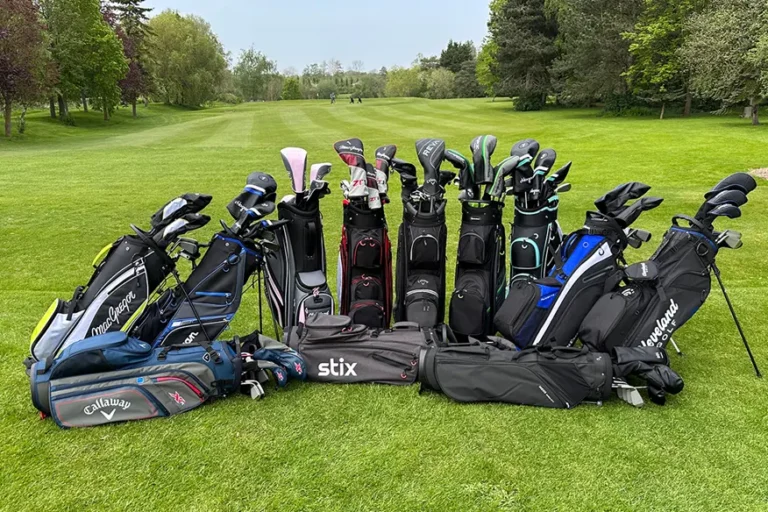
Many beginners travel with old, hand-me-down clubs that feature stiff steel shafts, small clubheads, and worn grips. When paired with the firm turf and deep bunkers of a premium resort, this inadequate equipment makes the game incredibly difficult.
Novices often struggle to get the ball airborne, leading to hand fatigue and deep frustration. Upgrading to a modern, forgiving rental set at the resort immediately improves ball flight and makes learning much easier.
Environmental Extrapolation Error
A beginner who has only practiced in a controlled, indoor simulator or on flat synthetic range mats often struggles to adapt to a real resort course. Facing uneven lies, thick sand bunkers, wind, and varying grass types can feel completely overwhelming.
Without a smooth transition—such as spending time on a dedicated short course or a real-grass practice area—the player can easily become discouraged by the sudden jump in difficulty.
Governance, Maintenance, and Long-Term Adaptation
For a golf resort to maintain a high-quality environment for beginners, its management must actively review and update its operational policies. A truly supportive property doesn’t just set a static routine; it continuously monitors play and refines its facilities to meet the needs of developing players.
Operational Review Cycles
Resort management should review key performance metrics every month, tracking average round lengths, ball sales, rental club feedback, and usage rates for the short course. If data shows that afternoon rounds on the main course are consistently backing up at a specific hole—such as a long par-4 over a water hazard—management needs to adapt.
This can mean widening the fairway landing area, moving the forward tees up, or adding a clear drop zone to keep play moving smoothly and reduce stress for new players.
The Beginner-Centric On-Site Assessment Checklist
-
Tee Box Flexibility: Ensure the course features genuine forward tees or a dedicated family course setup (such as USGA “Tee It Forward” markers) that reduces the total length of the course to under 5,000 yards.
-
Practice Green Accessibility: Verify that the putting and chipping areas are large enough to accommodate lessons without crowding out guests who are practicing on their own.
-
Hazard Mitigation: Check that major hazards, like deep bunkers or lakes, have clear paths around them so beginners can safely play the ball along the ground.
-
Rental Fleet Quality: Confirm that the resort’s rental clubs are inspected regularly and updated with modern, game-improvement designs.
-
Staff Training and Culture: Ensure that outside staff, starters, and marshals are trained to support and encourage slow or learning groups, rather than simply pressuring them to speed up.
Measurement, Tracking, and Evaluation
Evaluating the success of a developmental golf vacation requires looking at both quantitative data and qualitative personal milestones. True progress isn’t just about a single score; it’s about building consistent skills, comfort, and confidence on the course.
Leading vs. Lagging Indicators of Progress
-
Leading Indicators (Inputs): These are measurable signs of engagement and skill building, such as the number of clean ball contacts made during a practice session, hours spent working on the short course, and maintaining a relaxed, steady tempo even after a poor shot.
-
Lagging Indicators (Outputs): These are the long-term results of consistent practice, including a lower total score on a 9-hole loop, a reduction in the number of lost balls per round, and earning an official USGA handicap index.
Documentation Examples for the Developing Golfer
To track improvement effectively over a week-long stay, a player can keep a simple log focused on specific execution metrics rather than just total scores. Here are three examples of how to record progress:
1: Short Course Evaluation
-
Session: 9-Hole Par-3 Course
-
Focus Metric: Green-side recoveries using a simple ground-game strategy (bump-and-run).
-
Quantitative Result: Placed 6 out of 9 chips onto the green surface using a 7-iron.
-
Qualitative Note: Felt much less stress by keeping the ball low along the ground instead of trying to fly a high wedge over hazards.
2: Fairway Accuracy Log
-
Session: Late Afternoon 6-Hole Loop on Main Course
-
Focus Metric: Maintaining a smooth, balanced finish from the forward tees.
-
Quantitative Result: Kept the ball in the fairway or light rough on 4 out of 6 tee shots.
-
Qualitative Note: Moving to the forward tees removed the urge to swing too hard, which immediately improved contact and kept the ball in play.
3: Bunker Play Progress
-
Session: Specialized Morning Clinic
-
Focus Metric: Slapping the sand behind the ball with the back of the wedge rather than trying to hit the ball directly.
-
Quantitative Result: Successfully escaped the practice bunker on 8 out of 10 attempts.
-
Qualitative Note: Understanding how the club interacts with the sand removed the fear of getting stuck in the bunker.
Common Misconceptions and Oversimplifications
The travel and golf industries often repeat advice that complicates the learning process for beginners. Addressing these common misconceptions helps clarify what is actually required to enjoy and improve during a resort stay.
Beginners should always start by playing a full 18 holes.
-
Correction: For an absolute beginner, playing 18 holes takes too long, causes physical fatigue, and creates unnecessary mental pressure. Spending time on short courses, putting greens, and 3-to-6 hole loops builds skills and confidence much faster, while keeping the experience fun and manageable.
The quality of the practice range doesn’t matter for a novice.
-
Correction: A flat, uninspired range with poor turf or old, worn-out balls makes it very difficult to learn. Beginners need high-quality practice areas with clear targets, alignment aids, and real turf to build a reliable swing and learn how to control their distance.
Forgiving courses are completely flat and boring.
-
Correction: Excellent beginner design is far from boring. Great strategic courses use wide fairways, gentle slopes, and large greens to stay accessible for newcomers, while using clever angles and subtle hazards to remain genuinely challenging for experienced players.
Premium rental clubs are a waste of money for a beginner.
-
Correction: Using old, heavy, or stiff clubs makes learning incredibly frustrating. Modern, premium rental sets are specifically engineered to be forgiving, helping beginners get the ball into the air easily and making their time on the course much more rewarding.
Professional lessons are only useful once you have a basic swing.
-
Correction: Taking lessons right at the start prevents bad habits from forming. Getting professional guidance during a resort stay ensures you learn proper posture, grip, and alignment from day one, saving time and frustration down the road.
Ethical, Practical, or Contextual Considerations
As golf resorts modernise to welcome new players, they face important practical choices, particularly regarding resource management and environmental impact. Maintaining large practice facilities, expansive putting parks, and wide fairways requires significant amounts of water, fertilizer, and dedicated labor.
Forward-thinking destinations handle this responsibility by adopting sustainable turf management practices. Many properties now use drought-resistant hybrid grasses, water their courses with recycled turf-clipping systems, and leave out-of-play areas in their natural, native state. This approach reduces water use and maintenance costs while preserving the open, forgiving fairways that make the layout excellent for beginners.
Additionally, there is a clear economic benefit to creating a welcoming environment for newcomers. Resorts that move away from overly rigid, intimidating traditions help make the sport more accessible and inclusive. When a property designs its facilities to be open and supportive, it plays a key role in growing the game, ensuring that a diverse new generation of golfers can enjoy the sport for years to come.
Conclusion
Finding the best golf resorts for beginners requires looking beyond generic travel marketing to evaluate a property’s physical design, practice facilities, and daily operations. The ideal learning destination avoids penal layouts with constant hazards and forced carries. Instead, it embraces classic strategic design—offering wide fairways, accessible greens, and low-pressure short courses that keep the game engaging and build real confidence.
By prioritizing properties that offer high-quality instruction, modern rental equipment, and flexible playing options like 6- or 9-hole loops, new golfers can enjoy a rewarding, frustration-free vacation. As the sport continues to evolve, the resorts that invest in these inclusive, thoughtful environments will stand out as the premier destinations for developing skills, growing participation, and fostering a lifelong enjoyment of the game.