Best Golf Resorts for Corporate Retreats: Operational Guide
Corporate off-sites often expose a friction point between strategic objectives and executive leisure. When an organization plans a high-stakes gathering, the choice of venue is not merely an administrative detail; it acts as an operational framework that can either catalyze or constrain the event’s goals. The selection of a property must satisfy two competing demands: the rigorous infrastructure required for intensive, distraction-free board meetings, and the informal, relationship-building environment provided by a world-class sporting facility.
The traditional corporate retreat format—consisting of fluorescent-lit hotel conference basements paired with uninspired transport links—frequently fails to foster the psychological safety and creative clarity needed for high-level decision-making. Consequently, executive leadership teams, board of directors, and enterprise sales organizations increasingly turn to specialized golf properties. These venues offer a unique physical environment where formal governance and unstructured peer-to-peer networking can occur in parallel.
However, selecting an optimal destination requires a sophisticated understanding of how a property’s layout, hospitality model, and golf operations interact with a corporate agenda. A common pitfall is evaluating a resort solely based on its championship golf pedigree or its consumer hospitality ratings. A resort that provides an exceptional weekend getaway for an individual traveler may fail when tasked with managing a complex corporate itinerary that demands tight logistical synchronization, high-bandwidth digital security, and diverse recreational programming for non-golfing attendees.
This analysis examines the operational variables, strategic frameworks, and risk profiles involved in selecting the best golf resorts for corporate retreats. By moving past superficial marketing descriptions, this guide provides corporate event planners, Chief of Staff operations, and executive committees with the analytical tools needed to evaluate properties, manage complex group logistics, optimize resource allocation, and protect the organization’s return on investment.
Understanding “best golf resorts for corporate retreats”
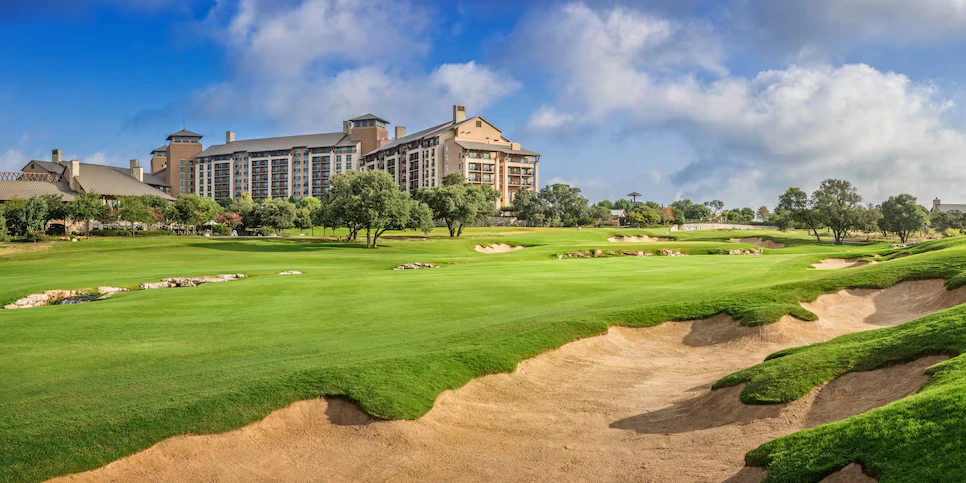
To properly evaluate options, an organization must define what constitutes the best golf resorts for corporate retreats. In a commercial business context, “best” does not mean a resort has the highest global course ranking or the most luxurious guest rooms. Instead, it refers to a property’s operational alignment with the corporate group’s specific organizational objectives. The primary misunderstanding stems from treating a corporate retreat as a standard leisure booking rather than a complex business event with specialized hospitality requirements.
Strategic Criteria for Enterprise Selection
When evaluated through an enterprise lens, the criteria for a premier resort change significantly:
-
The Course Architecture: Highly challenging course designs that attract individual purists can become a major operational bottleneck for corporate groups. A course featuring severe hazards, forced carries over water, and dense rough will slow down the pace of play. This can disrupt a tight afternoon schedule and frustrate high-value clients or casual golfers who feel excluded by the difficulty.
-
The Logistical Layout: Sprawling properties that require long shuttle rides between the practice facilities, the meeting spaces, and the guest accommodations break up the group’s cohesion. The ideal corporate resort maintains a compact, walkable layout or features dedicated village structures. This setup ensures that attendees can transition between general sessions, breakout meetings, and the first tee without logistical delays.
-
The Meeting Infrastructure: A property must offer meeting facilities that rival premium urban corporate hubs. This requires dedicated, soundproof boardrooms, integrated audiovisual systems, on-site technical support teams, and secure, high-bandwidth enterprise Wi-Fi networks capable of running concurrent, encrypted video conferences.
-
The Hospitality and Service Model: The service must be highly adaptable to changing schedules. If a strategic planning session runs 45 minutes over time, the food and beverage team, the golf operations staff, and the ground transportation handlers must be able to adjust their schedules immediately without compromising service quality.
Avoiding Hidden Friction Points
Oversimplifying this selection process often introduces hidden friction points into the event. For example, a firm might book a highly exclusive, traditional club only to discover that its strict dress codes, limited cell phone zones, and ban on multi-car shotgun starts conflict with a modern, fast-paced corporate agenda. True alignment means choosing a property where golf functions as a natural extension of the meeting environment rather than a distraction from it.
Historical and Systemic Evolution of Corporate Hospitality
The role of golf resorts in corporate governance and business development has evolved through distinct phases over the past several decades. Understanding this trajectory helps explain current market expectations and helps planners identify which property styles align with their corporate culture.
The Era of Exclusive Executive Privilege (1970s–1990s)
During the late 20th century, corporate golf retreats were primarily viewed as exclusive perks for top executives or high-stakes environments for closing major B2B deals. Properties were selected largely based on exclusivity and prestige. These retreats often relied on traditional, male-dominated private country clubs or historic rail-trail resorts.
The underlying business assumption was that long, unstructured days on the golf course built deep personal loyalty, which directly translated into commercial business advantages. Operational infrastructure during this era was minimal; business was conducted on the fairways or over dinner, with little need for formal meeting rooms or advanced technology.
The Institutional Compliance Shift (2000s–2010s)
The landscape changed significantly with the introduction of stricter corporate governance standards, such as the Sarbanes-Oxley Act, along with updated institutional compliance frameworks and revised tax deduction rules for corporate entertainment. The era of lavish, undocumented corporate boondoggles faced intense scrutiny from shareholders and internal audit committees.
As a result, golf resorts had to adapt by building comprehensive, dedicated conference centers. The “golf retreat” was repositioned as a strategic planning offsite or an educational seminar. Corporate spend shifted toward multi-use properties that could clearly document a business purpose, balancing course time with scheduled sessions in a formal meeting room.
The Contemporary Strategic Optimization Era (2020s–2026)
Today, the best golf resorts for corporate retreats operate as highly integrated corporate performance hubs. Modern organizations require these events to deliver measurable returns on engagement, team alignment, or client retention.
Several modern shifts have reshaped property requirements:
-
The Rise of Distributed Workforces: With executives and teams spread across different geographies, the corporate retreat has become a vital tool for building organizational culture and alignment.
-
Broader Recreational Demands: Properties must provide diverse, high-quality non-golf activities, advanced wellness amenities, and flexible space designs to engage a more diverse workforce.
-
Technological Sophistication: High-speed digital connectivity and seamless hybrid meeting setups are now baseline expectations, allowing remote leaders to participate without interruption.
-
Integrated Experience Design: Companies no longer accept a strict separation between a rigid morning meeting and a casual afternoon round. Modern retreats require properties designed to seamlessly blend collaborative work with professional sport throughout the day.
Conceptual Frameworks and Mental Models for Property Evaluation
To move past superficial property reviews, corporate planners can use several analytical frameworks to objectively evaluate a resort’s operational suitability.
The Corporate-Sporting Balance Model
This model evaluates a property based on its operational capabilities across two key axes: Corporate Infrastructure and Sporting Excellence.
-
The Urban Corporate Hub: Properties with strong meeting spaces but limited, uninspired recreational offerings. These work well for training seminars but fail to drive deeper team bonding.
-
The Recreational Retreat: Properties with world-class championship courses that lack secure boardrooms, enterprise-grade data infrastructure, and event agility.
-
The Budget Motel: Venues that fall short on both counts, failing to support professional business meetings or an executive-level sporting experience.
-
The Critical Optimum: Properties that successfully balance premium corporate services with high-quality golf operations. These resorts are the top candidates for high-stakes corporate retreats.
The Logistical Proximity Matrix
This framework evaluates the physical distance and travel times between key areas within the resort.
When a resort has a high Logistical Friction Index, valuable executive time is wasted waiting for shuttle buses or walking between far-apart villas, conference halls, and practice greens. The top resorts minimize this index by grouping lodging, meeting spaces, dining options, and golf facilities into a compact, easily walkable footprint.
The Inclusivity and Margin-of-Error Index
This model assesses how effectively a resort handles varying skill levels among attendees. It evaluates two specific metrics:
A property with a low playability score, combined with few non-golf activities,s will alienate casual players and non-golfers. This can create an accidental dividing line within the company, working directly against the retreat’s core goal of team alignment.
Typologies of Corporate Golf Resorts and Structural Trade-Offs
Not all golf resorts share the same structural layout or service design. Planners must select a property type that matches their specific group size, corporate culture, and meeting agenda.
1. The Integrated Mega-Resort
These large properties feature multiple on-site golf courses, expansive convention centers, large room blocks, and extensive dining selections. Examples include historic destinations like Pinehurst Resort or modern multi-course complexes like Streamsong Resort.
-
Advantages: Excellent economies of scale, extensive backup meeting spaces, the ability to run large shotgun tournaments, and diverse food and beverage operations.
-
Trade-offs: A potential lack of privacy, as multiple corporate groups or public players may use the facilities simultaneously; long walking distances between remote room wings and meeting areas.
2. The Private Club Estate Venture
These are highly exclusive private clubs that open their doors to select corporate groups, often requiring a sponsor or a full-property buyout.
-
Advantages: Complete privacy, highly attentive service, and a prestigious environment that can appeal to top-tier clients or senior executives.
-
Trade-offs: Rigid club rules regarding dress codes, mobile device usage, and photography; limited total meeting space; higher costs per attendee.
3. The Boutique Epicurean Golf Lodge
Smaller, luxury properties that focus heavily on high-end dining, wellness amenities, and a single, highly curated golf course. Examples include luxury destinations like Adare Manor or golf-forward properties like Camiral Golf & Wellness.
-
Advantages: High levels of group cohesion, exceptional food and beverage programs, and intimate spaces well-suited for executive alignment sessions.
-
Trade-offs: Small overall room inventories that cannot accommodate larger company off-sites; limited flexibility if weather conditions require moving outdoor events indoors.
4. The Dedicated Sports Hub and Destination Resort
Properties built specifically around outdoor activities and links-style golf, where the sport is the main focus of the layout. Examples include destinations like Bandon Dunes or Kiawah Island.
-
Advantages: An authentic, focused environment that appeals strongly to serious golfers, often featuring classic walking courses that foster long, uninterrupted conversations.
-
Trade-offs: Can feel isolated or single-focused, making them less suitable for groups with a large percentage of non-golfing attendees.
Structural Comparison of Property Typologies
The following detailed scenarios illustrate the operational complexities and planning decisions encountered during high-stakes corporate off-sites.
The Executive C-Suite Strategic Alignment Session
-
The Group: 14 high-level executive leaders, including the CEO, CFO, and Board Members.
-
The Context: A confidential meeting to finalize a multi-year corporate strategy and discuss potential M&A activity.
-
Property Choice: A private club estate style resort with a compact layout and highly secure boardrooms.
-
Logistical Challenge: The primary risk was protecting sensitive data and preventing eavesdropping, combined with managing tight schedules for executives arriving via private aviation.
-
Operational Execution: The organization arranged a full buyout of a private cottage wing. This setup kept all meeting rooms, dining spaces, and sleeping accommodations within a single, secure perimeter.
The resort’s IT team set up an encrypted, isolated Wi-Fi network specifically for the group, and all service staff signed non-disclosure agreements. Golf tee times were scheduled immediately following key strategic sessions, using private, cart-path-accessible paths that bypassed the main clubhouse public areas.
The High-Performing Enterprise Sales Incentive Trip
-
The Group: 85 top-performing sales representatives, regional directors, and channel partners.
-
The Context: An annual celebration designed to reward top talent, build team morale, and share product updates.
-
Property Choice: An Integrated Mega-Resort with multiple golf courses and large banquet spaces.
-
Logistical Challenge: Managing a large group with highly varied golfing skills without causing long delays on the course or scheduling conflicts.
-
Operational Execution: The event team utilized a multi-course resort to run a modified shotgun start tournament on one course, while simultaneously hosting a structured golf academy on the second course for beginners.
Experienced players completed an 18-hole scramble format in under four and a half hours, while non-golfers participated in data-driven golf simulator competitions at the practice center, followed by scheduled wellness programs. This dual-track setup ensured all attendees remained engaged and kept the evening awards dinner exactly on schedule.
The Multi-National Engineering and Product Development Sync
-
The Group: 50 product leads, software architects, and engineering vice presidents.
-
The Context: A cross-functional workshop focused on breaking down organizational silos and aligning product roadmaps.
-
Property Choice: A Boutique Epicurean Golf Lodge featuring a walkable layout and collaborative workspaces.
-
Logistical Challenge: Bridging the cultural gap between highly technical non-golfers and avid golfers without splitting the group into isolated factions.
-
Operational Execution: The resort designed non-traditional golf events that did not require advanced sporting skills. The group used a large, illuminated putting course for an evening team competition with food and beverage stations built into the layout.
This arrangement allowed serious golfers and complete beginners to interact naturally in an informal setting, supporting the retreat’s core goal of cross-functional collaboration.
Planning, Cost, and Resource Dynamics
The financial management of a corporate retreat at a premium golf resort requires a clear understanding of both direct expenses and less obvious, indirect costs. Simple budgeting models that only look at baseline room rates and green fees frequently run into budget overruns.
Direct vs. Indirect Cost Structure
-
Direct Costs: These include the base room rates within the corporate block, greens fees, tournament management surcharges, audiovisual equipment rentals, and catered food and beverage packages.
-
Indirect and Variable Costs: These encompass ground transportation adjustments, golf club rentals for attendees, pro shop tournament credits, resort service charges, tipping, and tech infrastructure upgrades.
-
The Opportunity Cost of Time: This is often the highest hidden cost. If an organization flies 40 senior leaders to a resort, the hourly salary cost of those executives is significant. Every hour lost to slow transportation, long check-in lines, or slow pace of play reduces the overall efficiency and return on investment of the event.
Comprehensive Executive Budget Matrix
Tools, Strategies, and Support Systems
Successfully running a corporate retreat requires using specialized software tools and clear communication protocols to coordinate between corporate planners and resort staff.
1. Enterprise Event Management Software
Planners use platforms like Cvent or Bizzabo to handle guest registrations, track flight details, manage dietary restrictions, and organize room assignments. These systems integrate directly with the resort’s property management software, ensuring that room changes or arrivals are updated automatically across teams.
2. Golf Tournament Management Software
Platforms like Golf Genius are critical for managing corporate golf tournaments. These tools automate the process of sorting players by handicap, generating pairings, printing cart signs, and providing live mobile scoring leaderboards. This adds a professional feel to the tournament and ensures everything runs smoothly on the course.
3. Dedicated Communication Systems
During the event, the organizing team and key resort managers should use dedicated communication channels, such as a private Slack workspace or synchronized radios. This allows the planning team to quickly coordinate adjustments—such as delaying a lunch service or updating ground transport—in real time as the schedule shifts.
4. Professional Logistics Management
For larger retreats, partnering with specialized corporate event agencies provides an extra layer of operational support. These firms handle vendor negotiations, manage on-site logistics, and act as a buffer between the corporate leadership team and the resort’s internal departments, ensuring the event runs according to plan.
Risk Landscape and Failure Modes
Corporate retreats are susceptible to a variety of operational risks that can disrupt schedules and impact the event’s success if not properly managed.
1. Weather and Environmental Disruptions
Severe weather like lightning, heavy rain, or extreme heat can halt golf operations instantly. If a resort does not have flexible indoor spaces or alternative programming ready, a canceled round can leave dozens of attendees with nothing to do, disrupting the group’s schedule.
2. Pace of Play Bottlenecks
A slow pace of play is a frequent issue for corporate golf outings. When a group includes a wide range of skill levels, playing a challenging course can cause long delays. If the round takes over five hours, it can delay evening networking events, business dinners, and keynote presentations.
3. Technology and Connectivity Failures
A resort with spotty Wi-Fi or inadequate cellular coverage poses a significant operational risk. If an executive team cannot securely connect to corporate VPNs, join urgent video calls, or run presentation equipment smoothly, the business utility of the retreat drops significantly.
4. Poor Integration of Non-Golf Programming
If activities for non-golfing attendees feel like an afterthought—such as basic spa visits or uninspired local tours—it can create a clear divide within the group. This unintended separation can hurt company morale, working directly against the retreat’s goal of building team cohesion.
Governance, Maintenance, and Long-Term Adaptation
To protect financial investments and ensure consistent delivery across multiple events, organizations should establish a clear governance framework for venue selection and review.
Contractual Sourcing and Attrition Policies
When signing multi-year or multi-property master service agreements, corporate legal and procurement teams must build in clear protective clauses:
Contracts should include a sliding scale for attrition that allows the company to reduce the number of allocated rooms by up to 20% close to the event date without financial penalties. Furthermore, force majeure clauses must be updated to specifically account for weather-related course closures, travel disruptions, and regional air-traffic delays.
Post-Event Quality Audit Framework
Planners can use a structured operational checklist during the final site selection and post-event review phases to ensure all service requirements are consistently met.
Operational Site Inspection Checklist
1: Corporate Technical & Security Infrastructure
-
Verify that meeting rooms feature dedicated synchronous fiber connections separate from the public guest Wi-Fi network.
-
Check cell signal strength and carrier coverage across all major areas, including remote course pavilions and practice greens.
-
Test the physical security and soundproofing of executive boardrooms to prevent outside noise or eavesdropping.
-
Confirm the availability of on-site technical support staff dedicated exclusively to corporate meeting spaces during session hours.
2: Golf Operations & Tournament Agility
-
Confirm that the golf operations team has experience running corporate shotgun starts and custom scoring formats.
-
Review the course layout to identify potential pace-of-play bottlenecks, such as long forced carries or challenging rough near landing zones.
-
Inspect the quality, sizing options, and inventory levels of the resort’s rental club sets to ensure all attendees are accommodated.
-
Verify the layout and capacity of the practice facilities to handle the entire corporate group during pre-round warmups.
3: Hospitality Agility & Food Operations
-
Confirm that banquet spaces and dining rooms can be fully closed off for private corporate events and presentations.
-
Verify that kitchen staff can easily accommodate complex dietary requirements, allergies, and custom menu changes.
-
Check the physical proximity and walking times between guest accommodations, meeting facilities, and the primary golf complex.
-
Establish clear protocols for adjusting food service times if strategic sessions run ahead of or behind schedule.
Measurement, Tracking, and Evaluation
Evaluating the success of a corporate retreat requires tracking both quantitative operational metrics and qualitative participant feedback. Relying solely on casual compliments at the end of the event does not provide the objective data needed to justify the spend to finance committees or board members.
Leading vs. Lagging Success Indicators
-
Leading Indicators: These include metrics tracked before and during the event, such as room block filling rates, pre-event registration completions, and technical setup verifications.
-
Lagging Indicators: These are measured during and after the event, including actual pace of play, tech uptime percentages, post-event survey scores, and the accuracy of the final billing statement against initial quotes.
Internal Event Evaluation Template
1. Technical & Logistical Infrastructure Performance
-
Network Availability: Did the corporate Wi-Fi maintain stable connectivity without dropouts or bandwidth throttling during peak general sessions? Yes / No
-
Pace of Play Control: What was the average round time for the primary corporate tournament? (Target: Under 4 hours and 30 minutes for a scramble format). Actual Time: __________
-
Schedule Alignment: Did the resort’s food, beverage, and golf staff smoothly adapt to unexpected timeline changes without causing delays? Yes / No
2. Attendee Experience & Engagement Metrics
-
Executive Survey Score: Rate the overall suitability of the meeting facilities and boardroom privacy on a scale from 1 (Inadequate) to 5 (Exceptional): _____
-
Non-Golfer Engagement Rating: Rate the quality, variety, and integration of non-golf activities based on participant feedback from 1 to 5: _____
-
Silo-Breaking Assessment: Did the informal networking environments directly contribute to improved cross-functional communication and alignment? Yes / No
3. Financial & Contractual Accuracy
-
Billing Alignment: Did the final master account invoice match the initial contracted pricing structures and agreed-upon caps? Yes / No
-
Ancillary Spend Variance: Calculate the total cost variance from unexpected incidentals, individual pro-shop charges, and extra transport needs: $__________
Common Misconceptions and Oversimplifications
When choosing the best golf resorts for corporate retreats, planning committees often fall prey to common myths that can compromise the event’s business value.
Top-ranked championship courses always make for the best corporate retreats.
A course that ranks at the top of major golf publications is often designed as a difficult test for highly skilled players. These layouts frequently feature narrow fairways, deep bunkers, and challenging hazards. For a diverse corporate group, this can lead to high scores, lost golf balls, and a frustratingly slow pace of play. The ideal corporate resort offers a well-designed, playable course with multiple tee options that keep the round enjoyable for casual players while still offering an interesting challenge for experienced golfers.
Sprawling luxury properties naturally support strong group cohesion.
Many high-end resorts spread their villas, golf clubhouses, spa facilities, and meeting centers across hundreds of acres of land. While this layout provides excellent privacy for individual vacationers, it can fragment a corporate group. Attendees often spend significant time waiting for resort shuttles or walking long distances between sessions, which cuts down on spontaneous, informal networking. A compact, walkable layout or a dedicated village setup keeps the team together and maximizes opportunities for natural interaction.
Non-golfers are easily satisfied with standard, uninspired spa options.
Assuming that non-golfing attendees will be content with basic spa appointments or free time in their rooms is a mistake. This approach can make a significant portion of the workforce feel isolated or undervalued. Modern corporate retreats require high-quality, organized alternative programming. The top resorts provide engaging non-golf activities, such as professional culinary classes, guided nature excursions, tennis or pickleball clinics, and dedicated wellness workshops, ensuring that every participant feels fully included in the retreat experience.
Standard resort Wi-Fi networks are sufficient for enterprise business needs.
Basic guest Wi-Fi networks designed for casual web browsing or streaming are rarely secure or robust enough for corporate operations. A high-stakes corporate event requires stable, high-bandwidth connections capable of handling multiple concurrent, secure video streams and encrypted data transfers. Planners should look for properties that offer dedicated, password-protected networks backed by on-site technical support to ensure seamless data security throughout the event.
Conclusion
Selecting the right golf resort for a corporate retreat requires moving past basic hospitality metrics and focusing on operational alignment. The ideal property must serve two distinct purposes: it needs to function as a highly secure, technologically advanced business center while simultaneously providing an accessible, high-quality sporting environment that encourages natural networking and collaboration.
By using structured evaluation models—such as analyzing layout proximity, assessing course playability for all skill levels, and establishing clear cost controls—organizations can avoid common planning pitfalls. This strategic approach ensures the chosen venue actively supports the event’s goals, creating a productive environment where leadership alignment, team cohesion, and critical business decisions can successfully move forward.