Compare Golf Resorts Plans: Institutional Asset Evaluation
The global golf resort industry operates at the intersection of high-end hospitality, complex land management, and multi-tiered athletic experiences. For developers, investment syndicates, operational boards, and municipalities, evaluating the development or acquisition of these assets requires navigating a vast maze of variable infrastructure plans, environmental mandates, and membership models. A golf resort plan is not merely a blueprint for 18 holes and a hotel; it is an integrated master strategy governing hydrology, agronomy, real estate allocation, capital structures, and long-term asset lifecycle management.
When stakeholders fail to rigorously analyze these foundational architectures, the long-term capital consequences are severe. A poorly conceived routing plan can increase annual maintenance expenses by hundreds of thousands of dollars through inefficient mowing patterns or inadequate drainage. Similarly, an incorrectly structured membership or guest access plan can cannibalize high-margin food and beverage revenue or alienate the local residential base required to sustain cash flow during shoulder seasons. To achieve true operational resilience and sustained yield, developers must approach these assets through a structured framework of comprehensive comparative evaluation.
To properly compare golf resort plans, one must look past the aesthetic allure of signature course designs and deep into the underlying mechanics of structural mechanics, capital expenditure (CapEx) schedules, and water rights security. The modern operational landscape demands an analytical methodology that weighs environmental risk, land-use efficiency, and multi-demographic appeal equally against traditional financial metrics like internal rate of return (IRR) or revenue per available room (RevPAR).
This definitive guide provides institutional investors, asset managers, and resort planners with the precise frameworks, data models, and risk taxonomies necessary to dissect, stress-test, and execute complex resort master plans. By examining these factors with structural rigor, decision-makers can transform highly volatile hospitality developments into predictable, appreciating real estate assets.
Understanding “compare golf resorts”
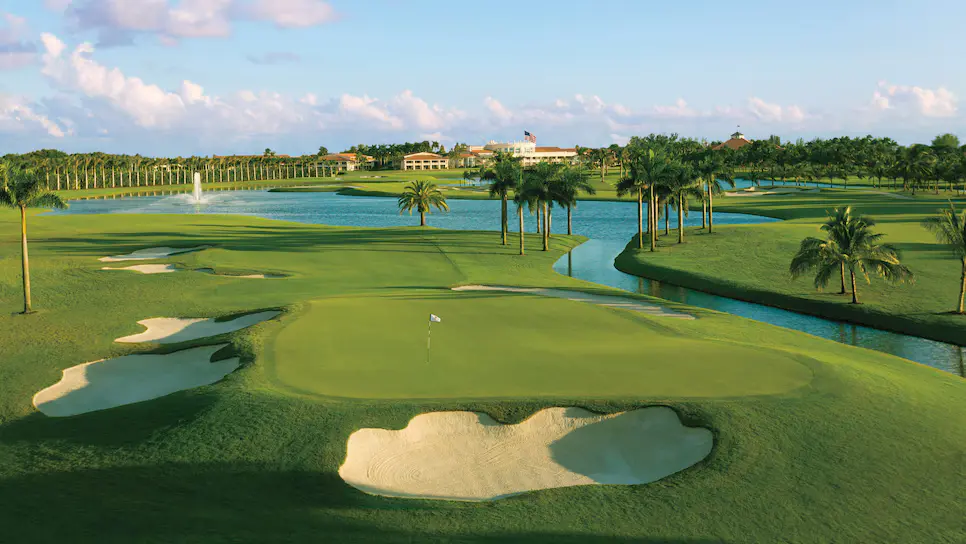
To intelligently compare golf resort plans, one must move past the consumer-facing marketing of “championship courses” and “luxury villas.” In the institutional lexicon, comparing these plans means conducting an exhaustive, multi-disciplinary cross-examination of competing master development strategies. This process requires evaluating how land utilization, hydrological systems, hospitality architecture, and corporate capital structures interact over a multi-decade operational horizon.
The Pitfalls of Static Analysis
A common analytical mistake is treating a golf resort plan as a static layout. Amateur evaluators frequently isolate the golf course layout from the resort’s hospitality and real estate footprints. This narrow view ignores how everyday operations affect each other.
For example, if a plan places a residential development too close to a primary slice zone on an early hole, the resort faces immediate liability risks, high insurance premiums, and reduced real estate values. Conversely, expanding setbacks too far to solve safety issues can dramatically increase infrastructure costs—such as paving extra miles of asphalt and running longer electrical, water, and sewage lines.
Operational Interconnectivity
True analytical rigor means evaluating how design choices in the course affect operations across the whole property:
-
Hydrological Integration: Analyzing how irrigation lakes double as stormwater retention basins for the surrounding real estate development.
-
Microclimate Optimization: Ensuring that hospitality structures do not block solar access or wind movement to critical greens, which would cause turf failure and require expensive rebuilding.
-
Circulation Infrastructure: Designing separate routes for golf carts, hospitality services, and emergency vehicles so they never disrupt guest flow or daily course maintenance.
Creating a Sustainable Ecosystem
When institutional teams compare golf resort plans, they look at how these elements fit together. They evaluate the plan’s flexibility to change alongside fluctuating consumer habits, local environmental rules, and shifting capital markets. An elite plan balances land use across multiple revenue streams. It creates an ecosystem where the golf amenities, hospitality structures, and residential units collectively support and build value for one another.
Deep Contextual Background and Evolution
The strategic architecture of golf resort master planning has evolved from a speculative real estate tool into a highly regulated, data-driven discipline. Understanding this historical trajectory is essential for evaluating contemporary plans, as many legacy liabilities still impact modern operational models.
The Real Estate Subsidization Era (1970s–1990s)
During the late 20th century, golf resorts were frequently designed as loss-leaders for massive residential developments. Developers utilized expansive, heavily contoured courses to maximize highly profitable “golf-frontage” lots. Capital was cheap, water was abundant, and environmental regulations were nascent. This led to plans featuring oversized turf footprints, exotic non-native grasses, and highly inefficient irrigation systems. The primary goal was rapid lot absorption; long-term operational costs and resource constraints were secondary concerns.
The Post-2008 Rationalization
The global financial crisis exposed the structural flaws of real estate-heavy models. As golf participation rates stabilized and capital markets tightened, standalone golf and resort operations had to become self-sustaining profit centers. Master plans from this era shifted toward land efficiency. Planners began reducing total maintained turfgrass acreage, replacing high-maintenance zones with native vegetation, and optimizing clubhouse footprints to cut overhead.
The Modern Integrated Era
Today, contemporary planning faces strict environmental mandates, changing consumer preferences, and climate volatility. Modern plans must balance traditional course design with diverse amenities like racquet facilities, wellness centers, and short-form golf layouts.
Furthermore, advanced technology has altered the design landscape. Planners now use geographic information systems (GIS), predictive hydrological software, and microclimate modeling to optimize land use before moving any dirt.
Conceptual Frameworks and Mental Models
To systematically compare golf resort plans, analysts can utilize several distinct conceptual frameworks that map spatial layout, resource flows, and market positioning.
1. The Core-to-Periphery Spatial Model
This framework analyzes the physical relationships and distances between the high-density resort core (the clubhouse, hotel, and primary amenities) and the surrounding elements (the golf course, residential areas, and maintenance yards).
-
Application: Evaluates transit times for guests, accessibility for maintenance teams, and the premium placement of real estate.
-
Limitation: This model works best for compact, contiguous properties. It struggles with fragmented designs where the golf holes are split across public roads or natural topographic barriers.
2. The Closed-Loop Hydrological Model
This model maps the complete water cycle of the resort property, tracking it from supply acquisition to final treatment and reuse.
-
Application: Essential for determining if a plan can withstand severe droughts and strict water utility restrictions.
-
Limitation: Does not account for sudden, extreme weather events that can overwhelm local storage basins and cause severe runoff contamination.
3. The Dual-Velocity Capital Architecture
This framework separates the resort plan into two distinct financial tracks based on asset lifecycles and market dynamics:
-
High-Velocity Assets: Consumer hospitality offerings, food and beverage concepts, and retail venues that require frequent capital updates every 3 to 5 years.
-
Low-Velocity Assets: Subsurface drainage networks, primary earthworks, and structural foundations that have 30-to-50-year depreciation cycles.
-
Application: Prevents planners from accidentally funding short-term aesthetic upgrades by draining capital away from critical, long-term infrastructure repairs.
-
Limitation: Relies heavily on stable, long-term interest rates and predictable construction material costs over multi-decade horizons.
Key Categories and Asset Variations
When developers compare golf resorts, they categorize assets based on access rules, operational goals, and how the surrounding real estate is integrated. Each model involves clear structural trade-offs between initial capital requirements, ongoing operational risk, and long-term yield potential.
1. Private Equity Membership Resorts
These properties prioritize exclusivity, offering member-only facilities alongside a limited, high-end guest footprint. The primary revenue engine relies on initiation fees and predictable annual dues.
-
Trade-Off: Provides steady, reliable cash flow, but limits upside during strong tourism markets. These assets also face high capital call risks if membership drops during economic downturns.
2. Destination Daily-Fee Resorts
These commercial engines maximize daily public play and high-volume hotel occupancy. They rely on high tee-time utilization, robust group tournament bookings, and extensive food and beverage sales.
-
Trade-Off: Offers significant revenue upside during peak travel seasons, but leaves the asset highly exposed to economic shifts, local airline capacity, and bad weather.
3. Master-Planned Residential Golf Communities
These projects treat the golf course primarily as a visual amenity to drive real estate sales. The plan focuses on maximizing high-value golf-frontage lots and boosting property values.
-
Trade-Off: Generates high upfront profits during the initial real estate sales phase. However, once the neighborhood is sold out, the resort is often left with long-term maintenance liabilities and a spread-out infrastructure footprint that is expensive to operate.
4. Eco-Centric Links/Sandhills Plans
Built on naturally sandy, well-draining terrain, these designs prioritize minimal earthworks, native vegetation, and light, low-impact infrastructure footprints.
-
Trade-Off: Features significantly lower initial construction and ongoing agronomy costs. However, these properties are limited to specific geographic regions and require hands-on guest management to protect fragile natural ecosystems.
Strategic Operational Profiles
To compare golf resort plans across different business models, the following table breaks down key operational metrics and asset benchmarks:
Post-Analysis Strategic Selection Logic
Choosing the right master plan layout requires matching the property’s natural terrain with your primary financial goals. The flowchart below illustrates the core decision steps used to guide this asset selection process:
Detailed Real-World Scenarios
Analyzing how different resort designs perform in real-world scenarios reveals the hidden liabilities and operational strengths built into their master plans.
Scenario 1: Severe Environmental Drought in an Arid Region
An arid-region resort operating an expansive, multi-course daily-fee plan faces a multi-year drought. The local utility cuts non-potable water allocations by 40% while doubling water usage surcharges.
-
Plan Failure Mode: The original master plan featured 150 acres of wall-to-wall, high-water-use turfgrass with no native desert transition zones. It lacked on-site water storage and had no access to treated municipal effluent. As a result, the course suffered severe turf loss on fairways, forcing management to close nine holes, which led to a drop in resort occupancy.
-
Alternative Plan Success: A competing plan for the same site limited the maintenance of turfgrass to just 85 acres. It used drought-tolerant paspalum grass, incorporated extensive native desert landscaping, and featured a lined, 10-million-gallon stormwater holding basin. This allowed the resort to maintain pristine playing conditions on its main holes during the water cuts without buying expensive outside water.
-
Second-Order Effects: The high-turf resort faced falling residential property values as dry, unmaintained fairways hurt the neighborhood’s visual appeal. This triggered legal disputes with homeowners and harmed the developer’s brand.
Transitioning from Residential Real Estate Sales to Long-Term Operations
A massive golf community developer finishes selling the last residential lot and prepares to hand over the infrastructure, roads, and golf amenities to the homeowners’ association (HOA) and a long-term management company.
-
Plan Failure Mode: To maximize the number of premium golf-frontage lots, the planner designed a sprawling, single-line course layout that wound through the entire 800-acre property. This layout required miles of paved cart paths, extensive electrical lines for remote irrigation pumping stations, and long water mains. Once lot sales revenue stopped, the ongoing maintenance costs for this spread-out infrastructure pushed HOA dues past market rates, making the remaining homes harder to sell.
-
Alternative Plan Success: A smarter, more compact design used a core layout where the course sat in the center of the property, and residential units were grouped in higher-density clusters around the perimeter. This cut total road, utility, and cart path lengths by 45%, keeping ongoing operational costs low and ensuring the HOA remained financially stable after transition.
-
Second-Order Effects: The high-cost, sprawling resort had to defer crucial maintenance on its infrastructure. This led to broken cart paths and failing irrigation lines, forcing the club to pass expensive capital assessments down to the homeowners.
Shifting to Multi-Demographic Group Bookings
A traditional, golf-only resort experiences a multi-year decline in corporate group bookings because younger business travelers are seeking varied, multi-sport activities.
-
Plan Failure Mode: The resort’s master plan committed all available land to a long, difficult championship course, leaving zero room near the clubhouse for alternative amenities. When corporate groups started requesting varied recreational options, the resort could not add short-form golf, pickleball courts, or modern wellness facilities, leading to a loss of major group contracts to newer competitors.
-
Alternative Plan Success: A flexible master plan reserved 15 acres near the main resort hotel for alternative activities. It featured a dynamic 9-hole short course, an integrated racquet sports complex, and an open lawn for outdoor events. This versatility allowed the property to easily capture non-golf group business and boost casual family vacation bookings.
-
Second-Order Effects: The flexible resort saw non-golf revenues grow to account for 40% of total food and beverage sales, protecting the property from fluctuations in traditional golf round volume.
Planning, Cost, and Resource Dynamics
The financial feasibility of a golf resort plan depends on analyzing both immediate construction costs and long-term capital expenditure cycles.
Direct and Indirect Financial Indicators
Developers must avoid underestimating indirect costs, which can quietly drain cash reserves before a project opens. The table below outlines realistic cost ranges for premium golf resort developments, mapping out initial capital needs and ongoing lifecycle costs:
Long-Term Opportunity Cost of Land Allocation
Every acre allocated to a golf course hole represents an opportunity cost against other real estate options, such as high-density villas, fractional ownership condos, or open conservation spaces that require zero maintenance.
For instance, a standard 150-acre golf course layout could alternatively fit 300 single-family residential lots or over 600 multi-family resort units. Therefore, the master plan must ensure the presence of the golf course adds enough of a premium to the surrounding land values to fully offset the revenue given up by not developing that acreage.
Tools, Strategies, and Support Systems
Accurately evaluating and benchmarking complex master plans requires using specialized software and structural review strategies.
1. GIS Spatial Modeling & Topographic Mapping
Using geographic information systems (GIS) allows development teams to overlay slope maps, soil data, and vegetation layers directly onto proposed golf course routings.
-
Strategic Value: Identifies high-risk erosion areas and minimizes the need for massive earth-moving before construction begins.
-
Operational Limits: GIS data cannot predict subsurface rock layers, requiring physical core drilling samples to confirm findings.
2. Microclimate & Solar Analysis Tools
Digital solar simulation tools model how shadows cast by planned resort structures and trees will move across the property throughout the year.
-
Strategic Value: Prevents placing tall hotels or villas where they will block morning sunlight to critical putting greens, protecting the turf from shade stress and disease.
-
Operational Limits: These models rely on historical weather data and cannot anticipate unusual weather shifts caused by long-term regional climate changes.
3. Integrated Hydrological Modeling Software
Advanced water flow software simulates stormwater runoff patterns, drainage network capacities, and lake retention levels during major storm events.
-
Strategic Value: Helps engineers design irrigation lakes that act as effective flood-control basins for the resort’s residential areas.
-
Operational Limits: The software’s accuracy depends entirely on the quality of local historical rainfall data, which can often understate the risks of extreme storms.
4. Parametric Construction Cost Benchmarking
This strategy involves comparing proposed project costs against a database of verified local construction figures, adjusting for inflation, regional labor rates, and material costs.
-
Strategic Value: Exposes unrealistically low contractor bids and helps prevent unexpected cost overruns down the line.
-
Operational Limits: Cannot protect a project from sudden, global supply chain disruptions or sudden shifts in international tariff policies.
Risk Landscape and Failure Modes
The development of a golf resort involves long-term financial commitments that are highly exposed to environmental, regulatory, and macroeconomic risks. The taxonomy below outlines how these threats can compound, turning a vulnerable master plan into a severe financial liability.
1. The Environmental-Regulatory Compounding Trap
This compounding risk occurs when a resort plan relies on lenient local environmental rules that suddenly tighten during development.
-
The Mechanism: A master plan gets approved based on drawing cheap groundwater from a local aquifer. Halfway through construction, regional water scarcity forces regulators to slash groundwater allowances by 50% and mandate the use of expensive treated effluent.
-
The Financial Impact: The resort is forced to immediately spend millions of dollars redesigning its pump stations and expanding its filtration systems. Because the turf varieties chosen cannot handle the higher salt levels in effluent water, the grass begins to fail, requiring constant flushing and expensive soil treatments that ruin the project’s profit margins.
2. The High-Fixed-Cost Operational Spiral
This financial failure occurs when a sprawling, high-maintenance resort design faces an unexpected drop in market demand.
-
The Mechanism: The master plan features complex water hazards, large bunkers, and extensive ornamental landscaping that require continuous manual upkeep. When a sudden economic downturn hits, resort occupancy drops by 30%.
-
The Financial Impact: Because the complex layout prevents cutting maintenance staff without losing the property’s premium look, the resort is forced to burn through its cash reserves. To cover the shortfall, management raises member dues and guest fees, which backfires by driving away remaining customers and accelerating the financial decline.
Governance, Maintenance, and Long-Term Adaptation
A successful resort master plan must include clear rules for ongoing governance, preventative maintenance schedules, and clear triggers for updating infrastructure before it fails.
Infrastructure Lifecycle Maintenance Framework
To protect the resort’s asset value, management must treat infrastructure upkeep as a non-negotiable schedule based on proven industry lifecycles. The checklist below organizes these tasks into clear operational phases:
Operational Adaptation Triggers
Master plans must include specific, pre-determined thresholds that automatically require management to adjust operational strategies:
-
The 15% Water Salinity Trigger: If irrigation water salinity increases by more than 15% over two consecutive quarters, management must immediately launch an aggressive soil flushing program and begin testing salt-tolerant grass varieties.
-
The 20% Membership Attrition Trigger: If club membership drops by more than 20% within a 12-month window, the board must instantly freeze non-essential capital projects and open the course to restricted resort guest play to stabilize cash flow.
-
The 30% Peak Runoff Trigger: If storm runoff fills retention lakes to within 30% of maximum capacity during standard rainfall, engineers must immediately expand drainage channels and increase on-site holding basin volumes before the next storm season.
Measurement, Tracking, and Evaluation
Evaluating the success of a golf resort plan requires tracking a balanced mix of immediate financial metrics and long-term operational performance indicators.
Leading vs. Lagging Performance Indicators
Management teams frequently make the mistake of relying only on trailing financial reports, missing early signs of infrastructure and operational trouble:
-
Leading Indicators (Early Warning Signals): Tracking weekly changes in irrigation system pressure drop rates, monitoring turf root depth variations on key greens, measuring member tee-time cancellation trends, and logging shifts in group booking inquiry volumes.
-
Lagging Indicators (Historical Performance): Analyzing end-of-quarter maintenance labor overruns, reviewing annual hospitality RevPAR performance, tracking member resignation rates, and totaling yearly golf course asset depreciation costs.
Standardized Operational Reporting Formats
To maintain a clear, auditable trail of asset performance, the resort’s agronomy and finance teams should use standardized operational templates. The following real-world examples illustrate how to format these critical infrastructure reports:
- Weekly Hydrological System Integrity Log
- Quarterly Capital Reserve & Depreciable Asset Audit
Common Misconceptions and Oversimplifications
The resort development industry is full of outdated assumptions and oversimplified metrics that can quickly ruin a project’s financial projections if left unchecked.
Hiring a famous golf architect guarantees long-term financial success.
-
The Reality: A famous architect can drive initial PR buzz and help boost early real estate sales. However, if the resulting course design features a complex, hard-to-maintain layout with large, deep bunkers and fragile greens, the long-term operational costs can easily swallow up those early profits. The plan must prioritize practical, cost-effective maintenance over pure design prestige.
Converting a course to 100% effluent water solves all future water risk.s
-
The Reality: While using treated effluent secures a steady water supply, it introduces significant agronomic challenges. Effluent water is packed with salts, sodium, and heavy nutrients that can quickly damage sensitive turf varieties, ruin soil structure, and clog subsurface drainage. Resorts using effluent must invest in advanced filtration systems and regular soil flushing programs to keep their turf healthy.
A standard 18-hole course is always the most profitable layout for a resort.rt
-
The Reality: Modern travel data shows that classic 18-hole courses can intimidate casual travelers and families who find them too time-consuming. Modern master plans often generate higher returns by building a shorter 9-hole course paired with a high-end practice facility, a putting park, and varied casual dining options. This accessible setup drives significantly higher food, beverage, and retail spend per square foot.
Subsurface drainage systems can be easily expanded after construction
-
The Reality: Retrofitting a drainage network after a course is built is incredibly expensive and disruptive. It requires digging up mature turf, cutting through established fairways, and temporarily closing holes, which kills resort revenue. Developers must ensure the master plan includes a fully realized, high-capacity drainage system right from day one.
Ethical, Environmental, and Contextual Considerations
Modern golf resort planning operates under intense scrutiny regarding land use, resource consumption, and environmental impact. To secure long-term approvals and community support, master plans must move past simple compliance and embrace proactive environmental stewardship.
1. Integrated Pest Management & Chemical Reduction
Older resort plans relied heavily on routine, calendar-based pesticide and synthetic fertilizer applications. Modern, responsible master plans utilize Integrated Pest Management (IPM) frameworks. This strategy uses precise soil testing, natural biological controls, and targeted spot treatments to manage pests. By designing the course to optimize air movement and sunlight, planners can naturally reduce fungal diseases, cutting chemical runoff risks and lowering annual maintenance costs.
2. Protecting Native Biodiversity through Wildlife Corridors
A poorly planned resort development can fragment local ecosystems, cutting off wildlife migration routes and reducing native plant populations. High-quality contemporary plans incorporate continuous wildlife corridors and native vegetation buffers throughout the property. By linking undeveloped areas with natural wetlands, the resort acts as a functional sanctuary for local wildlife, turning environmental protection into a unique marketing asset for eco-conscious travelers.
Conclusion
Evaluating and comparing golf resort master plans requires a strict, multi-disciplinary approach that looks far beyond aesthetic appeal. Long-term profitability belongs to the properties designed with precise land-use efficiency, sustainable water management, and flexible, multi-demographic amenities.
By analyzing spatial layouts, stress-testing financial models against real-world environmental risks, and enforcing strict lifecycle maintenance schedules, developers can protect their investments from future climate and market volatility.
Ultimately, a truly elite golf resort plan balances natural terrain with smart, long-term operational engineering. It creates a highly resilient asset that delivers steady, predictable financial yields and builds lasting value for shareholders, guests, and the local community for decades to come.