Golf Resorts Accommodation Options: Structural Selection Matrix
The integration of elite sports facilities with premium lodging represents one of the most operationally intricate sectors of global hospitality. For developers and asset managers, navigating golf resort accommodation options is not merely about selecting room inventory. It is a complex multi-variable optimization challenge. The chosen lodging architecture dictates a property’s long-term revenue stability, operational costs, labor requirements, and asset valuation.
The Shift in Resort Infrastructure
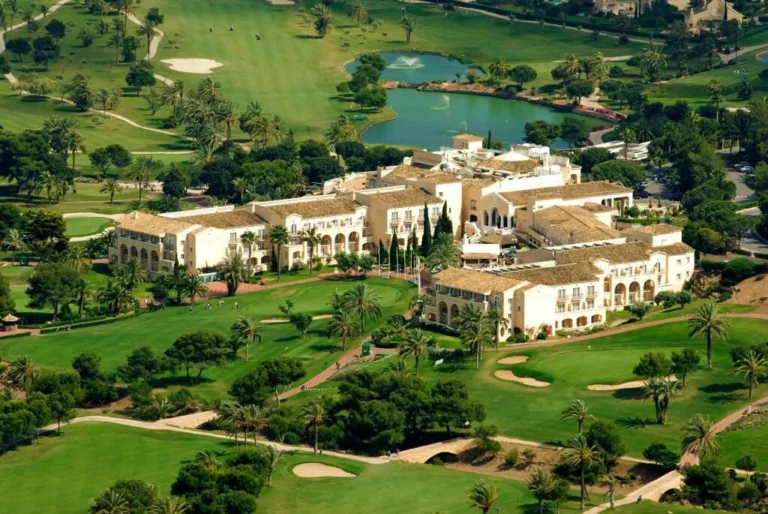
Historically, golf resorts relied on centralized hotel layouts to house players. However, shifting demographics and the rise of corporate-incentive travel have forced an “unbundling” of the traditional footprint. Today, a single property may feature a matrix of traditional guestrooms, detached villas, and branded residences. Each configuration introduces unique spatial and financial realities that must be balanced against the core golf asset.
The Land-Use Challenge
The physical reality of land use adds further complexity. A championship 18-hole course requires 120 to 200 acres, creating vast perimeter dynamics and complex internal logistics. How accommodations interface with this landscape affects the pace of play, noise mitigation, and real estate premiums. A failure to align the lodging product with the operational reality of the golf course leads to structural inefficiencies and depressed revenue per available room (RevPAR).
A Comprehensive Framework
This guide analyzes golf resort accommodation through structural, operational, and financial lenses. It offers developers and executives a framework for planning, executing, and managing these high-value destination assets.
Understanding “golf resorts accommodation options”
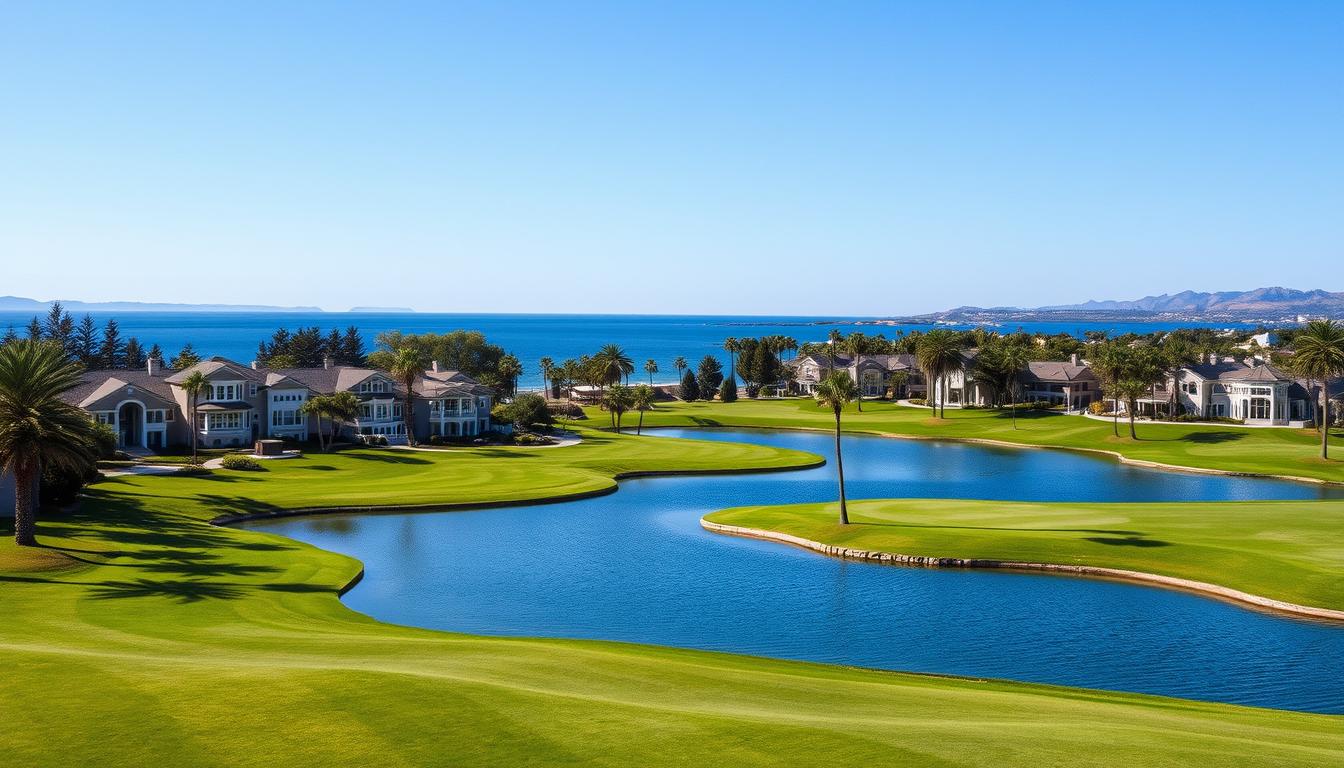
To properly evaluate the landscape of golf resorts’ accommodation options, one must look past the consumer-facing marketing language and analyze these structures through the lens of asset utilization and operational logistics. At its core, the term refers to the diversified mix of built environments designed to house overnight guests within a golf-centric hospitality ecosystem. This mix is fundamentally distinct from standard urban or beachfront lodging due to the spatial distribution, localized demand patterns, and unique amenity dependencies inherent to golf tourism.
A common misunderstanding among hospitality generalists is treating golf lodging as a secondary amenity—a place where players simply sleep between rounds. This oversimplification ignores the profound symbiotic relationship between the accommodation footprint and the golf operation. For example, a resort that favors decentralized, multi-bedroom villas over a centralized hotel block radically alters its food and beverage (F&B) delivery systems, housekeeping transit times, and utility infrastructure load. It also redefines the guest profile, shifting the primary demand driver from individual business travelers or couples to high-spending golf groups, corporate retreats, and multi-generational families.
Furthermore, analyzing these accommodation options requires balancing two competing priorities:
-
The Desire for Fairway Views: Maximizing premium real estate positioning along the course.
-
The Reality of Golf Course Operations: Managing early-morning maintenance noise, chemical applications, and the structural risk of stray golf ball impacts.
An amateurish master plan might place luxury villas tight along the landing zone of a par-4 hole to command top-tier pricing, only to suffer continuous guest complaints regarding pre-dawn mower noise or shattered window glazing. True understanding of these accommodation types requires an integrated view that treats the golf course, the hospitality infrastructure, and the lodging structures as a single, interdependent machine.
Historical and Systemic Evolution of Golf Lodging
The modern landscape of golf resort housing is the product of over a century of architectural evolution and shifting economic paradigms. Understanding this trajectory reveals why certain lodging configurations dominate specific markets today and how historical precedents continue to shape modern master-planning constraints.
The Era of the Grand Railway Hotels (Late 19th to Early 20th Century)
The roots of destination golf lodging lie in the expansion of industrial rail networks across the United Kingdom, Canada, and the United States. Properties like the Gleneagles Hotel in Scotland or the Turnberry Resort were built by railway companies as grand, centralized monolithic hotels designed to lure urban wealth into the countryside. Accommodation options during this period were strictly uniform: high-density hotel rooms housed within a singular, palatial structure. The golf courses were laid out around this central anchor, establishing a clear hierarchy where the lodging asset sat as an imposing monument at the center of the estate.
The Post-War Suburbanization and the Sunbelt Boom (1950s–1980s)
The rise of the personal automobile and the post-WWII housing boom fundamentally transformed the spatial layout of golf resorts, particularly in the United States. As developments expanded across Florida, Arizona, and California, the “golf course community” emerged. Here, golf resorts’ accommodation options are diversified to include low-density, single-family detached homes and townhomes lining the fairways. Resorts began utilizing rental pools, allowing property owners to place their private villas into hotel inventory when not in use. This period birthed the classic “stay-and-play” package, shifting demand toward groups of four golfers who required multi-bedroom configurations with full kitchens, moving away from the single hotel room model.
The Ultra-Premium Boutique and “Purist” Renaissance (Late 1990s–Present)
The turn of the 21st century witnessed a philosophical split in golf resort development. While mega-resorts continued to expand, a new movement focused on remote, minimalist, golf-first destinations—pioneered by properties like Bandon Dunes on the rugged Oregon coast. This shift completely re-engineered the accommodation mix. Out went the grand, gilded hotel towers and the sprawling real-estate-driven housing tracks. In came targeted, modular lodging configurations: detached multi-room cottages, single-occupancy micro-lodges, and upscale bunkers built specifically for golf groups. These accommodations prioritize proximity to the first tee, walking accessibility, and communal spaces designed for post-round socializing, proving that high-end golf hospitality could thrive by stripping away non-golf distractions.
Conceptual Frameworks and Mental Models
To systematically evaluate and select from various golf resorts’ accommodation options, asset managers and developers use several core architectural and financial frameworks. These models prevent emotional decision-making and ensure that the selected lodging mix aligns with operational realities.
1. The Spatial Dispersion Friction Index (SDFI)
The SDFI is a mental model used to calculate the operational cost penalty associated with moving services across a decentralized resort footprint.
-
High SDFI (e.g., scattered luxury villas): Indicates that while private villas may command high nightly premiums, the cost of housekeeping labor, golf cart fleet maintenance, and in-room dining delivery will be exponentially higher.
-
Low SDFI (e.g., a single hotel tower): Indicates highly efficient operational logistics but drops the real estate premium generated by fairway frontage.
2. The Foursome Optimization Theory
Unlike standard leisure hospitality, where travel parties usually consist of couples or solo business travelers, golf tourism moves in multiples of four (the standard playing group). The Foursome Optimization Theory dictates that lodging configurations must minimize “bed-sharing friction” while maximizing shared social spaces. A four-bedroom villa where each room features a private en-suite bathroom and equal king-bed sizing represents perfect optimization. Conversely, a traditional suite with two double beds and a pull-out couch introduces social imbalance and lower guest satisfaction, often leading to a drop in repeat bookings from corporate or private golf groups.
3. The Fairway Buffer Matrix
This model evaluates the physical relationship between lodging structures and the golf course field of play. It balances safety, acoustics, and sightlines across three primary zones:
-
Zone 1: The Impact Zone (0 to 150 links from the centerline of landing zones or greens): High risk of stray ball strikes. Accommodations here require architectural mitigation such as reinforced impact glazing, heavy shuttering, and specific roof angles.
-
Zone 2: The Acoustic Zone (150 to 300 links from centerline): Safe from ball strikes but highly exposed to pre-dawn maintenance noises (mowers, aerifiers). Requires advanced acoustic insulation and specific window orientations.
-
Zone 3: The Sightline Zone (300+ links from centerline): Offers elevated, panoramic views of the course without physical or acoustic interference. This is the optimal placement for premium villa products.
Typology Matrix: Architectural and Operational Variations
Selecting the proper asset mix requires a granular breakdown of the structural, economic, and logistical profiles of the primary golf resorts’ accommodation options. The table below outlines these distinctions, followed by an analytical breakdown of their operational realities.
Centralized Hotel Rooms
The bedrock of the traditional resort model, centralized hotel blocks provide unparalleled operational efficiency. Housekeeping staff can turn over keys rapidly without leaving the climate-controlled core of the main building. Food, beverage, and laundry services rely on short vertical elevator shafts rather than sprawling horizontal roads.
However, this typology offers little spatial customization. If a group of eight golfers desires a private, unified social space to analyze their round over drinks, a centralized hotel floor forces them into public lounges or cramped bedroom spaces, degrading the exclusive feel of the trip.
Detached Fairway Villas
Villas solve the group cohesion problem by offering expansive shared living rooms, private outdoor patios, and integrated kitchen facilities. They are highly effective vehicles for driving high-margin ancillary revenues through private in-villa chef experiences and stocked bars.
The downside is logistical friction. Delivering a hot breakfast to a villa located two miles from the central kitchen requires specialized hot-holding transport carts and dedicated transit labor. Over time, the wear-and-tear on resort vehicles moving across these long distances adds a hidden layer to the property’s operational expense profile.
Golf Group Lodges and Cottages
Specifically engineered around the mechanics of a golf trip, these structures often feature a central common room flanked by four symmetric, private master bedrooms. This design ensures that no single member of a foursome feels shortchanged by a smaller room or shared bathroom.
These properties are usually located within walking distance of the putting green and clubhouse, reducing the need for resort shuttle services. The primary drawback is their hyperspecialization: during non-peak winter months or golf tournament closures, these units are difficult to market to traditional leisure travelers or wedding parties who find the layout overly utilitarian.
Detailed Real-World Scenarios and Operational Stress-Tests
To truly understand how these resorts’ accommodation options perform, we must look past idealized projections and stress-test them against realistic operational scenarios, seasonal market shifts, and structural challenges.
The Corporate Takeover and Multi-Tee Shot Tournament
Consider a 120-person corporate retreat booking out a resort for a three-day tournament. The resort’s inventory consists of a 50-room central hotel and 20 detached four-bedroom fairway villas.
-
The Operational Friction Point: Simultaneously moving all 120 guests from their accommodations to the clubhouse staging area for an 8:00 AM shotgun start.
-
The Performance Gap: Guests in the central hotel walk down to the dining room via the elevator, requiring minimal logistics. Meanwhile, the villa guests require a fleet of over 40 golf carts scattered across the property. If a sudden thunderstorm rolls in at 7:30 AM, the villa guests are trapped by rain across the expansive property, slowing down the registration process, stalling the tee sheet, and causing a ripple effect that disrupts afternoon food and beverage operations.
The Shoulder-Season Transition and Energy Load Management
During a northern resort’s shoulder season (e.g., late October), occupancy drops from 92% to 18% within a matter of days.
-
The Failure Mode: If the accommodation inventory consists entirely of large, detached villas with shared heating and cooling infrastructure, the resort must pay to heat entire multi-room structures even if only one room is occupied.
-
The Solution Strategy: Properties with a balanced mix of single hotel rooms and modular villas can completely shut down entire villa neighborhoods—draining water pipes and lowering smart thermostats to survival levels—while consolidating the remaining 18% occupancy into the highly insulated central hotel block. This operational flexibility saves tens of thousands of dollars in monthly utility expenses.
The Pre-Dawn Turf Maintenance Conflict
A luxury resort prides itself on its pristine greens, requiring the maintenance crew to begin mowing at 4:30 AM to stay ahead of the first tee times at 7:00 AM. A row of high-end, glass-fronted golf group cottages sits directly behind the 9th green.
-
The Conflict: A group of international leisure travelers pays $1,200 per night for a cottage, expecting a quiet, restorative getaway. At 4:45 AM, triplex greens mowers and sand-pro rakes operate less than 50 feet from their bedroom windows, producing 75 decibels of low-frequency sound.
-
The Second-Order Effect: The guests demand comped rounds or room refunds, leading to immediate revenue loss. The golf superintendent is forced to alter the mowing patterns, delaying maintenance schedules, which ultimately slows down the greens and harms the overall playing conditions for the rest of the field. This scenario highlights the catastrophic cost of poor spatial planning between accommodations and course infrastructure.
Financial Engineering, Capital Allocation, and Resource Dynamics
The financial profile of a golf resort asset is shaped by the relationship between upfront construction costs, ongoing operational maintenance, and the velocity of guest spend. Every dollar allocated to development must be weighed against its projected yield per square foot.
Direct vs. Indirect Cost Realities
When building centralized hotel configurations, capital expenditure is heavily front-loaded into heavy structural engineering—concrete foundations, commercial elevator banks, extensive HVAC ducting, and large-scale industrial kitchens. Conversely, decentralized villas feature lower upfront structural engineering costs but carry massive indirect infrastructure penalties. Developers must run thousands of linear feet of deep-trench electrical lines, high-capacity water mains, fiber-optic data cables, and paved golf cart paths across the property to service these far-flung units.
Opportunity Costs of Land Allocation
Every acre allocated to an expansive accommodation layout is an acre carved out of the real estate master plan. If a developer uses a sprawling villa layout to house 100 guests, they consume land that could have instead been used for a second 9-hole short course, a high-yield driving range entertainment complex, or premium private single-family residential lots for outright sale.
The following table provides realistic financial ranges for development, maintenance, and revenue velocity across the primary goresgoresorts ‘accommodation options.
Strategic Infrastructure and Support Systems
To sustain the functionality of diversified resorts’ accommodation options, a property must deploy specific technical support networks and logistical infrastructure. Without these systems, decentralized lodging experiences a rapid operational decline.
1. High-Density Commercial Fleet Management
Properties relying on villas or cottages must manage a massive fleet of electric utility and guest transport carts. This requires a centralized, ventilated fleet barn equipped with heavy-duty commercial charging arrays, automatic battery watering systems, and dedicated mechanics. The resort must also implement cart tracking software to monitor battery health and prevent vehicles from dying on remote perimeter paths.
2. Distributed Sub-Housekeeping Outposts
To maintain luxury cleaning standards across a sprawling layout without wasting hours on employee transit, successful resorts build hidden sub-housekeeping outposts throughout the property. These small, climate-controlled storage buildings house secondary linen supplies, commercial cleaning chemicals, guest amenities, and heavy-duty industrial trash compactors. This ensures housekeeping teams can restock their carts locally without returning to the main hotel core.
3. High-Capacity Subsurface Drainage Networks
Accommodations built adjacent to fairways require sophisticated subsurface drainage routing. Golf courses are engineered to shed massive amounts of stormwater and irrigation runoff rapidly away from the playing surfaces. If the lodging foundations are not decoupled from the course’s drainage master plan via deep interceptor French drains, bioswales, and retaining walls, the surrounding lawns can become marshy, causing foundation settling, mold infiltration, and severe pest issues.
4. Smart Thermal Zoning and Load Isolation
Unlike a standard hotel where occupancy is evenly distributed room-by-room, villa occupancy fluctuates heavily. Modern golf accommodation architecture requires smart property management systems (PMS) integrations tied directly to variable refrigerant flow (VRF) HVAC systems. When a villa is unbooked, the system drops the building into static preservation mode. The moment a booking clears the pro shop tee-sheet system, the HVAC ramps up to optimal comfort levels, balancing energy conservation against immediate guest satisfaction.
Risk Landscape and Systemic Failure Modes
Operating a complex hospitality asset interwoven with an active sports arena introduces a unique matrix of structural, operational, and financial risks. Managing these liabilities requires proactive planning and ongoing operational oversight.
The Spatial Overlap Risk: Glazing and Structural Vulnerability
The closer the accommodations sit to the field of play, the higher the risk of physical structural damage from stray golf balls. Properties utilizing large expansive glass walls or outdoor patios in Zone 1 (the impact zone) face continuous maintenance bills for broken windows and damaged exterior trim. Beyond the material replacement cost lies the severe legal liability of bodily injury to a guest lounging on a private patio.
-
Mitigation: This risk requires the use of multi-layered laminated ballistic glass, deep roof overhangs, and natural shielding using dense, impact-absorbing tree canopies like mature holly or cedar groupings.
The Environmental Degradation Risk: Chemical Runoff and Spray Drift
Maintaining championship turfgrass demands intensive fertilizer applications, pre-emergent herbicides, and targeted pesticide regimens.
-
The Failure Mode: When premium villas are integrated directly into course edges, air currents can carry spray drift directly onto guest balconies, outdoor dining areas, and private pools. Furthermore, heavy rain can wash turf chemicals onto residential lawns. Resorts face severe brand damage and environmental lawsuits if guests report chemical odors or allergic reactions due to a lack of physical separation between the playing turf and living quarters.
The Asset Imbalance Risk: The “Two Masters” Financial Collapse
A systemic failure occurs when a golf resort relies on a rental-pool framework managed by a split Homeowners Association (HOA) and a hospitality brand.
-
The Friction Point: The private property owners want to maximize their personal use during premium peak weeks (e.g., the Masters tournament dates or holiday weekends), which directly starves the resort operator of prime rental inventory when room rates are highest. This imbalance cripples the resort’s peak-season profitability, leading to underfunded capital reserves, deferred maintenance on the lodging units, and an eventual decline in the resort’s overall standing and market value.
Governance, Asset Management, and Long-Term Adaptation
Preserving the long-term capital value of golf resorts’ accommodation options requires strict governance protocols, structured maintenance cycles, and clear adjustment triggers. A property cannot afford to let its lodging assets drift into disrepair, as guest expectations for high-end golf travel remain uncompromising.
Structural Review Cycles and Capital Reserves
Because golf guests carry heavy leather bags, wear abrasive spikes, and frequently bring muddy gear into their rooms, the physical wear-and-tear on golf lodging is significantly higher than that of standard corporate hotels. Asset managers must implement a layered inspection and maintenance schedule to stay ahead of this accelerated depreciation.
Dynamic Adjustment Triggers for Strategic Re-allocation
A resilient resort asset must constantly monitor its yield per typology and execute adaptive changes when market demand shifts. Management should track specific performance triggers to determine when to renovate or repurpose inventory:
-
The Villa-to-Lodge Conversion Trigger: If data reveals that two-bedroom fairway villas are experiencing a multi-year decline in occupancy while four-bedroom configurations maintain a 35% premium and sell out months in advance, it triggers an immediate structural renovation. The resort will systematically knock down dividing walls to combine underperforming smaller units into unified, high-yield golf group lodges.
-
The Real Estate Liquidation Trigger: When capital expenditure for course-wide infrastructure updates outpaces room revenue growth, it triggers a selective asset liquidation. The resort sells off its outer perimeter detached villas to private buyers, removing them from hotel inventory while securing cash infusions through upfront sales and long-term HOA maintenance fees. This strategy allows the resort to refocus its operational energy and resources onto its high-yield centralized hotel core.
Performance Measurement, Tracking, and Evaluation Metrics
To gauge the operational health and financial efficiency of your selected lodging configurations, management must look beyond basic occupancy metrics. True evaluation requires an integrated analysis of both golf operations and hospitality data.
Leading vs. Lagging Analytical Indicators
-
Leading Indicator: The Tee-Sheet to Bed-Lock Ratio (TSBLR). This metric tracks the percentage of advanced golf round bookings that convert into overnight resort stays. A declining TSBLR indicates that while the course remains popular, local competitors or alternative day-use options are capturing the high-margin lodging spend, signaling a clear mismatch in your current accommodation pricing or room configurations.
-
Lagging Indicator: RevPAG (Revenue Per Available Golfer). Calculated at the end of each financial quarter, RevPAG sums total room revenue, green fees, pro shop purchases, and specialized F&B sales, dividing that total by the number of unique golf guests. This metric reveals the true spending power of your visitors and shows which accommodation types drive the highest overall returns.
Qualitative vs. Quantitative Performance Evaluation
A healthy asset balance requires tracking hard numbers alongside qualitative feedback. For instance, while a set of fairway villas might show a high quantitative occupancy rate of 84%, qualitative sentiment analysis from guest guestbooks or digital reviews may reveal consistent frustration regarding long room-service delivery delays or disruptive noise from early-morning bunker raking.
Relying solely on occupancy metrics can mask deep operational issues that eventually lead to sudden drops in guest retention and loss of premium corporate bookings.
Documentation Frameworks for Long-Term Benchmarking
To maintain structural consistency over years of operation, resorts use standardized logging frameworks. Below are three examples of how data is recorded for long-term strategic reviews.
- Architectural Vulnerability Record
- Logistical Efficiency Assessment
- Systemic Maintenance Review
Industry Misconceptions and Strategic Oversimplifications
The high capital requirements of golf hospitality often amplify errors driven by common industry myths. Debunking these deep-seated misconceptions is essential for protecting capital investments.
“Maximize fairway frontage at all costs.”
-
The Reality: Amateur developers assume that every foot of accommodation touching a fairway line increases value. In practice, over-allocating lodging to tight fairway frontages damages the playing experience by making fairways feel claustrophobic and hemmed in. It also exposes the resort to continuous guest complaints regarding noise, chemical applications, and property damage from stray golf balls, turning premium real estate into a costly operational burden.
“Standard luxury hotel suites can substitute for golf group cottages.”
-
The Reality: A standard high-end hotel suite—typically featuring one king bed and a pull-out sofa in an attached living room—fails to meet the needs of a traditional foursome. Golfers traveling together expect equal, private accommodations. Forcing adult golf group members to share beds or sleep on living room couches creates social imbalance, damages the overall guest experience, and drives premium golf groups to book alternative properties that offer dedicated, symmetrically balanced four-bedroom cottages.
“Adding a golf course will automatically rescue underperforming real estate lodging.”
-
The Reality: A golf course is a capital-intensive, operationally demanding asset that can drain a resort’s cash flow if poorly planned. If an accommodation product suffers from poor regional accessibility, weak service infrastructure, or bad seasonal positioning, building an 18-hole course will not magically fix those fundamental real estate flaws. Instead, it often adds heavy maintenance liabilities and high water-rights costs onto an already struggling property.
Ethical, Environmental, and Macro-Contextual Considerations
Modern golf hospitality developments face growing environmental scrutiny, tightening water regulations, and shifting climate patterns. Sustainable, long-term master planning requires a proactive approach to resource stewardship and environmental integration.
Water Rights, Conservation, and Turf Selection
The long-term viability of golf resorts’ accommodation options is tied directly to the property’s water security. Operating an 18-hole course alongside extensive guest landscaping consumes millions of gallons of water annually. Properties built in arid climates must decouple their accommodation landscaping from potable city water systems.
-
Best Practice: Forward-thinking developments use advanced graywater recycling loops, routing treated wastewater from guest showers and laundry facilities directly into lining storage ponds for course irrigation. Furthermore, replacing water-intensive turf with native, drought-tolerant grasses like Seashore Paspalum or advanced hybrid Bermudas ensures the resort maintains top-tier playing conditions without draining local water tables.
Climate Resiliency and Adaptive Architecture
As extreme weather events grow more severe, resort architecture must adapt to protect long-term property values. Properties in coastal zones face increasing hurricane risks, requiring accommodations built on elevated piers with integrated sea-wall barriers and impact-rated storm shutters.
In arid regions prone to wildfires, developers are moving away from traditional wood-framed buildings in favor of non-combustible materials like ultra-high-performance concrete (UHPC), composite steel panels, and natural stone barriers. These materials provide a robust defense against wildfires while lowering annual property insurance premiums.
Synthesis and Strategic Outlook
The selection, integration, and management of golf resorts’ accommodation options require a careful balance of architectural foresight, financial discipline, and deep operational understanding. There is no single, perfect lodging solution for every property. Instead, long-term profitability belongs to developers and asset managers who can correctly align their accommodation mix with the specific geographic, demographic, and financial realities of their destination.
As the luxury travel market continues to evolve, properties that rely on rigid, one-size-fits-all lodging profiles face growing operational inefficiencies and declining guest satisfaction. Conversely, resorts that embrace a diversified, modular inventory—balancing high-density hotel rooms for operational efficiency with premium, symmetrically designed cottages for dedicated golf groups—build a resilient asset structure capable of navigating changing market conditions.
Ultimately, a golf resort’s accommodations should not compete with or simply sit alongside the course; they must be designed to actively support and enhance it. By treating the sports infrastructure and the hospitality layout as a single, fully integrated ecosystem, developers can protect their upfront investments, optimize ongoing operational costs, and deliver the world-class experiences that discerning travelers expect.